
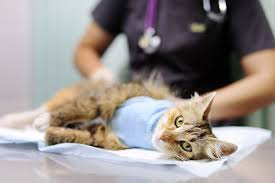
You might be staring at your pet, watching them sleep, and thinking, “How did we get here, talking about surgery?” Maybe your veterinarian in downtown Hamilton just mentioned a procedure and your mind jumped straight to worst case scenarios. Your pet is family, so even a “routine” operation can feel overwhelming.end
It helps to know you are not alone. Most pets will need some type of procedure during their lives, and many of the operations done at an animal hospital are planned, safe, and done every single day. Still, the fear is real. You might be worried about anesthesia, pain, cost, or what recovery will look like at home. That mix of love and anxiety can be exhausting.
So where does that leave you right now? You need clear information, not pressure. You need to understand which surgeries are common, why they are recommended, what risks and benefits to weigh, and how to prepare so your pet is as safe and comfortable as possible. In simple terms, four of the most common procedures are spay and neuter surgery, dental surgery, lump or mass removal, and emergency care like foreign body removal. Once you understand these, the whole idea of “surgery” often feels less terrifying and more manageable.
Why are common animal hospital surgeries recommended in the first place?
The hard part is that surgery is rarely an abstract idea. It usually starts with something small. A puppy visit where spaying is mentioned. A whiff of bad breath that will not go away. A lump you feel during a cuddle on the couch. Or a sudden night where your dog is vomiting and clearly in pain. Each of these moments raises the same question in your mind. “Do they really need surgery?”
On one hand, you want to avoid any risk. On the other hand, ignoring a problem can create bigger risks later. Because of this tension, you might feel stuck. You do not want to be “the overreacting owner,” but you also do not want to miss something serious.
That is why it helps to understand what these four common surgeries actually involve and why veterinarians recommend them so often. When you can picture the procedure and the goal behind it, the decision becomes less about fear and more about informed care.
1. Spay and neuter surgery – is it really necessary?
Spay and neuter procedures are among the most common surgeries done at animal hospitals. Spaying is the removal of the ovaries, usually with the uterus, in female pets. Neutering is the removal of the testicles in male pets. The idea can feel harsh at first, especially if you feel guilty about changing your pet’s body.
So why is it recommended so often? Beyond preventing unwanted litters, spaying and neutering lower the risk of certain cancers and infections. Female dogs and cats that are spayed before their first or second heat have a much lower risk of mammary (breast) cancer. Spaying also removes the risk of a life threatening uterine infection called pyometra. For males, neutering greatly reduces the risk of testicular cancer and can help with some hormone driven behaviors.
If you want a deeper medical overview, you can read more from the American Veterinary Medical Association on spaying and neutering benefits and considerations.
Where the stress often shows up is in the “what if.” What if anesthesia is not safe for my pet? What if I regret it? These are fair questions. The reality is that spay and neuter surgeries are performed thousands of times every day with very high success rates. Your veterinarian will usually run bloodwork, check the heart and lungs, and tailor anesthesia to your pet’s age and health. No surgery is zero risk, but the long term health benefits are strong for most pets.
2. Dental surgery for pets – is bad breath really that serious?
Dental care is another area where many owners feel torn. You notice your dog’s breath could “clear a room,” or your cat is dropping food from their mouth, but you might hope a dental chew will fix it. When your veterinarian recommends a professional cleaning or even tooth extractions, it can feel extreme. After all, they are still eating, right?
Here is the hard truth. By age three, the majority of dogs and cats already have some level of dental disease. Infection and inflammation in the mouth do not just stay there. They can cause pain every time your pet eats, spread bacteria into the bloodstream, and strain the heart, kidneys, and liver over time.
Dental procedures at an animal hospital usually involve full anesthesia. The veterinary team cleans above and below the gumline, takes dental X-rays, and removes teeth that are loose, broken, or infected. It sounds intense, but pets generally feel much better once the painful teeth are gone. Many owners say their older dog or cat acts “younger” after dental surgery, simply because the constant mouth pain is gone.
3. Lump or mass removal – when should you worry about a bump?
Finding a lump on your pet can stop you in your tracks. You might feel a small pea-sized bump under the skin during a belly rub, and suddenly, everything feels urgent. Is it cancer? Is it nothing? Do you wait and watch or act right away?
Veterinarians see skin lumps every day. Some are harmless fatty tumors. Others are infections or cysts. Some are cancers that need quick treatment. The first step is usually a simple needle test. A fine needle aspiration collects a few cells from the lump for analysis. If the results are unclear or concerning, surgery to remove part or all of the mass is often recommended.
Lump removal surgery can range from minor to more complex, depending on the size and location. The emotional weight, though, is heavy no matter what. Waiting on biopsy results can feel endless. This is where clear communication with your veterinarian is essential. Ask what they are most concerned about, what the best and worst case scenarios are, and how removing the lump could change the outcome.
4. Emergency surgeries like foreign body removal – what if my pet ate something dangerous?
Some surgeries are planned. Others come out of nowhere. A young dog eats a sock or a toy. A cat swallows a string. Suddenly, you are in an emergency clinic, hearing words like “intestinal blockage” and “immediate surgery.”
Foreign body removal is one of the more common emergency procedures at an animal hospital. When an object gets stuck in the stomach or intestines, it can cut off the blood supply, cause tissue death, and quickly become life-threatening. In some cases, vomiting and discomfort are the first signs. In others, pets hide their pain until they are very sick.
Emergency surgery in these situations is not about perfection. It is about saving your pet’s life. That urgency can be terrifying, and the cost is often higher than a planned procedure. Still, many dogs and cats recover very well once the blockage is removed and they receive fluids, pain control, and careful monitoring.
How do the risks and benefits of common pet surgeries compare?
When your mind is spinning, it can help to see the big picture laid out clearly. The table below compares typical benefits, risks, and recovery expectations for four common animal hospital surgeries.
| Type of Surgery | Main Purpose | Typical Benefits | Key Risks | Average Recovery Time |
|---|---|---|---|---|
| Spay / Neuter | Prevent breeding and reduce disease risk | Lower risk of certain cancers and infections, fewer hormone-driven behaviors | Standard anesthesia risks, bleeding, infection, rare complications | 10 to 14 days of restricted activity |
| Dental Surgery | Treat dental disease and pain | Less pain, better breath, improved long-term health | Anesthesia risk, possible tooth fractures, post op soreness | 3 to 7 days of softer food and rest |
| Lump / Mass Removal | Diagnose and remove abnormal tissue | Early cancer detection, prevention of growth or spread, peace of mind | Bleeding, infection, wound complications, need for further surgery if margins are not clean | 10 to 14 days, longer if the area is large or in a high-motion spot |
| Foreign Body Removal | Remove blocked object from stomach or intestines | Relief of life-threatening blockage, return to normal eating and comfort | Higher anesthesia risk in very sick pets, leakage from intestine, infection | 10 to 14 days with strict rest, special diet, and close monitoring |
Seeing it laid out like this, you can start to ask more focused questions. Where does my pet fit in this picture? What risks are higher for their age or health? What benefits matter most for their quality of life?
What should you do right now if surgery is on the table?
Once surgery is mentioned, the hardest part is deciding what to do next. You may feel pulled between rushing ahead and freezing in place. A few focused steps can bring some calm back into the process.
1. Ask every question that is keeping you up at night
Write your questions down before you talk with the veterinary team. Include things like:
- What is the exact goal of this surgery for my pet?
- What happens if we wait, and what happens if we do it now?
- How is pain managed before, during, and after surgery?
- What is the realistic best and worst case outcome?
A good veterinarian will welcome these questions. Clear answers help you feel more in control and reduce the “What if I am missing something?” feeling.
2. Prepare your home and your schedule for recovery
Recovery is often where owners feel most anxious, because you are the one watching every movement and wondering what is normal. Before surgery, ask what your pet will need at home. Then plan for:
- A quiet, confined space where they can rest away from stairs and rough play
- A way to prevent licking or chewing the incision, such as a cone or soft collar
- Time in your schedule for medication, short leash walks, and check up visits
Knowing you are ready at home can make the actual day of surgery feel less overwhelming.
3. Be honest about money and discuss options early
Cost is a real stressor. It is not selfish to worry about it. Ask for an estimate in writing. If the number surprises you, say so. Many clinics can explain different levels of care, payment plans, or timing that still protect your pet’s health. Pet insurance, savings accounts, and third party financing are all common tools owners use. The earlier you bring this up, the more choices you usually have.
Moving forward with more confidence and less fear
Facing surgery for your pet will probably never feel easy. You love them too much for it to be casual. Yet understanding the most common procedures done at an animal hospital, why they are recommended, and what recovery looks like can turn panic into thoughtful concern.
You do not have to become a medical expert. You simply need clear information, space to ask questions, and a plan you understand. With that in place, you can stand beside your pet with a steadier heart, knowing you are making the best choice you can with the facts you have today.
If surgery has been mentioned for your pet, your next step is simple. Call your veterinary clinic, share your worries openly, and ask for a focused conversation about risks, benefits, and recovery. Your pet depends on your voice, and you are allowed to use it fully.