
You noticed a soft bump in your child’s mouth, and now it is hard to think about anything else. Maybe it showed up under the tongue, maybe on the lip, maybe your child says it does not hurt but keeps rubbing it with their tongue. That mix of “it might be nothing” and “what if it is something serious” can sit in your chest all day. A lot of parents land in the same place when they first hear words like mucocele or ranula, and seeking pediatric dental care in Crenshaw can help you get answers.
These growths are often linked to saliva glands and trapped mucus. They can look strange, change size, and come back after seeming to disappear. Most are not dangerous, but they should not be ignored, especially when they affect eating, speech, or comfort. A pediatric dentist can help sort out what you are seeing, whether your child needs treatment, and what to watch next.
Mucoceles and ranulas are usually benign but still need a careful look
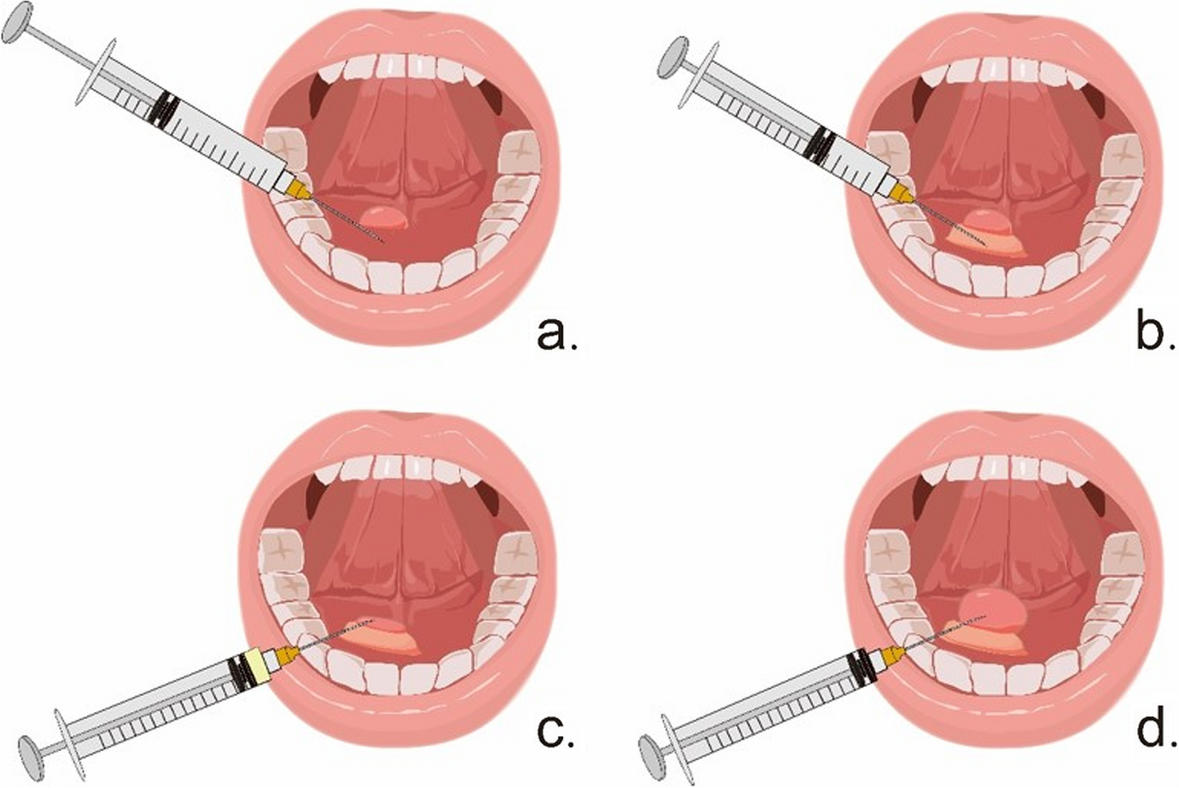
A mucocele is a mucus filled swelling that often appears on the inside of the lower lip. A ranula is a similar type of swelling that usually forms on the floor of the mouth under the tongue. Both are often caused by a blocked or injured salivary gland duct. If your child bit their lip, had minor mouth trauma, or developed irritation in the area, that can set the stage for one of these lesions.
According to MedlinePlus information on mucoceles, these bumps are often smooth, painless, and bluish or clear. That description helps, but it does not replace an exam. Other mouth lesions can look similar at first glance, and a parent should not have to guess the difference from a photo online.
This is often the first concern parents have. Is this dangerous? In many cases, no. Is it something to monitor and evaluate? Yes. If the swelling keeps growing, returns often, or interferes with swallowing or speech, the issue shifts from “odd but harmless” to “needs attention.”
The location and size of a ranula can affect eating, speech, and breathing comfort
The second question parents often have is whether a ranula or mucocele will go away on its own. Some small mucoceles do rupture and shrink without treatment. The problem is that they can refill. Ranulas can be more stubborn, and because they sit under the tongue, they may affect daily life faster.
You may see your child chewing differently, talking around the swelling, or refusing certain foods because the area feels tight or sore. In larger cases, the swelling may look dramatic enough to trigger panic, even if your child seems calm. That reaction makes sense. Mouth growths are hard to ignore because you see them every time your child opens wide.
Clinical reviews such as this NCBI overview of oral mucoceles and ranulas explain that ranulas can range from simple localized swellings to deeper lesions that spread into nearby tissue spaces. That does not mean every ranula becomes severe. It means location matters, and treatment decisions depend on more than appearance alone.
Home treatment can make the problem worse when a salivary cyst keeps returning
Another common question is whether you can just leave it alone or try to drain it at home. Parents ask this quietly because they are trying to avoid putting their child through a procedure. That instinct is understandable. The trouble is that squeezing, popping, or poking a mouth lesion can lead to pain, bleeding, infection, and more swelling.
A recurring oral mucus cyst usually means the source of the leak or blockage is still there. The bump may flatten for a day or two, then return because the saliva keeps collecting. If your child keeps biting the same area, the cycle can continue.
Research on treatment outcomes, including findings discussed in this published review of oral mucocele management, shows that approach matters. Some lesions improve with observation, but persistent or recurrent cases often need in office treatment to lower the chance of return. That may include surgical removal, marsupialization, or treatment of the involved gland, depending on the lesion.
A pediatric dentist can help you decide when observation is enough and when treatment is better
Parents also want to know who should evaluate the bump. For many children, a pediatric dentist is a strong first stop because they routinely examine soft tissue inside the mouth and can tell whether the lesion fits the pattern of a mucocele or ranula. If your child needs a different specialist, you can be guided there quickly instead of bouncing between guesses.
This matters financially and emotionally. Waiting too long can lead to repeat visits, missed school, feeding struggles, and more stress at home. Moving too fast without a clear diagnosis can also create worry your family does not need. A good exam helps you avoid both extremes.
| Situation | Watchful Waiting May Be Reasonable | Professional Evaluation Is the Better Next Step |
| Size | Small and stable | Growing, large, or keeps changing size |
| Pain | No pain and no irritation | Pain, tenderness, or repeated biting |
| Location | Inner lip with no functional issues | Under the tongue or near areas affecting speech or swallowing |
| Duration | Very recent appearance | Lasts more than 1 to 2 weeks or keeps returning |
| Daily function | Eating and speaking are normal | Trouble eating, talking, or keeping the mouth comfortable |
| Home care | Avoiding trauma and monitoring closely | Any urge to drain, pop, or self treat the lesion |
Clear next steps can lower stress and protect your child’s comfort
Take a photo and track changes. Get a clear picture today, then note the size, color, and whether your child says it hurts. This helps you spot patterns and gives the dentist something concrete to compare.
Stop any home popping or rubbing. Ask your child not to bite, pick, or press the area with their tongue if possible. Skip sharp, crunchy foods if they seem to irritate the bump.
Schedule an exam if it lasts, grows, or interferes with daily life. A mouth cyst in children may be simple, but repeated swelling or a floor of mouth lesion deserves prompt attention. Early evaluation often means a clearer plan and less stress.
When you find a strange bump in your child’s mouth, your mind can go to difficult places fast. Most mucoceles and ranulas are manageable, and many are not dangerous, but they do deserve a trained eye. If the swelling is not going away, keeps coming back, or is affecting how your child eats or speaks, reach out to a pediatric dentist and get a clear answer.
