
Your teeth and gums carry you through every single day. Yet once you leave the dental chair, it is easy to slip back into rushed brushing, skipped flossing, and late-night snacks. Then small problems grow into pain, infection, and high bills. Lansing dentists see this pattern over and over. You deserve better than that cycle. You can protect your mouth with a few steady habits between visits. You do not need special tools or complex routines. You need clear steps and consistency. This guide shares six simple tips you can start today. They help you clean more thoroughly, cut down harmful plaque, and spot trouble early. You gain fresher breath. You keep more of your natural teeth. You also walk into your next appointment with less fear and more control over your health.
1. Brush the right way, not the fast way
You likely brush every day. Yet rushing through it leaves sticky plaque behind. That plaque feeds germs that attack your teeth and gums.
The American Dental Association recommends brushing for 2 minutes, 2 times a day with fluoride toothpaste.
Use this simple plan.
- Brush morning and night for a full 2 minutes each time.
- Use a soft bristle brush and gentle circles along the gumline.
- Clean the outside, inside, and chewing surfaces of every tooth.
- Angle the brush toward the gumline to reach hidden plaque.
You can set a timer or play a short song. You can also help children by brushing together and letting them copy your motions.
2. Floss once a day to reach tight spaces
Toothbrush bristles cannot reach between teeth. Food and plaque sit in those tight spots and cause bleeding gums and cavities.
Flossing once a day removes that buildup. It also reduces gum swelling and bad breath. Yet many people skip it because it feels awkward at first.
Use this step-by-step method.
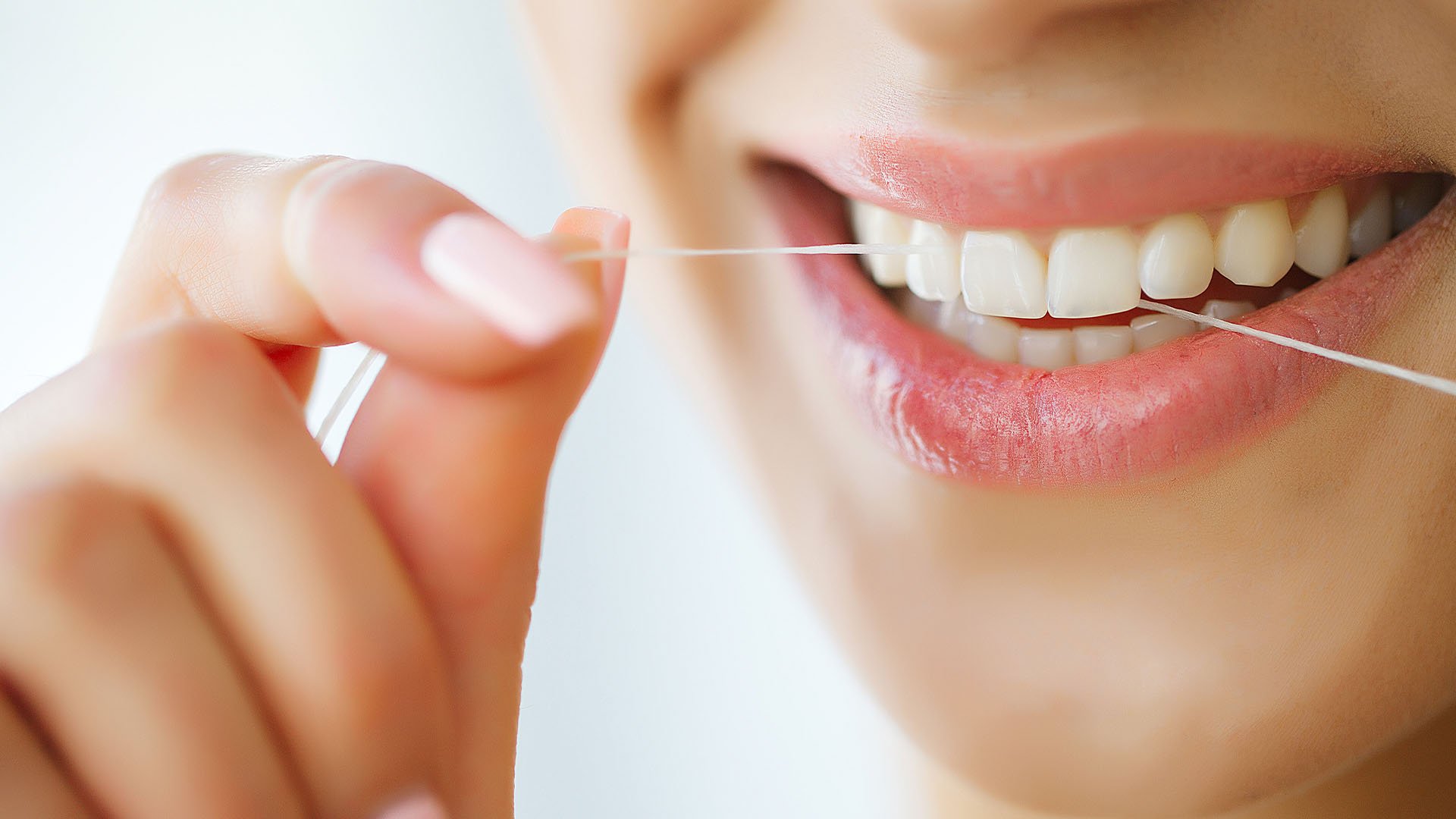
- Use about 18 inches of floss and wrap it around your middle fingers.
- Slide the floss gently between teeth. Do not snap it.
- Curve the floss into a C shape against one tooth and move it up and down.
- Repeat against the neighbor tooth. Then move to the next space.
If string floss is hard to use, you can try floss picks or small interdental brushes.
3. Choose snacks and drinks that protect teeth
What you eat and drink during the day has a strong effect on your mouth. Sugar, starch, and acid feed germs and wear down enamel.
You do not need a strict diet. You only need a few smart swaps and limits.
- Limit soda, sports drinks, energy drinks, and juice.
- Keep sweets and chips to set snack times, not all day grazing.
- Pick water, milk, cheese, nuts, and crunchy fruits and vegetables more often.
4. Understand how drinks affect your teeth
Many common drinks are acidic or sugary. That combination weakens enamel and raises cavity risk. This simple table compares common drinks.
| Beverage | Typical pH level | Relative cavity risk | Tips for safer use |
|---|---|---|---|
| Water (plain) | About 7 | Low | Sip all day. Rinse after snacks. |
| Flavored water with sugar | 3 to 4 | Medium | Limit and drink with meals. |
| Fruit juice | 3 to 4 | Medium to high | Use small servings. Follow with water. |
| Soda | 2 to 3 | High | Keep rare. Do not sip for long periods. |
| Sports or energy drinks | 3 to 4 | High | Use only when needed. Rinse with water after. |
| Unsweetened tea or coffee | Around 5 | Medium | Limit sugar. Drink water between cups. |
Acid levels and sugar content vary by brand. Still, the pattern stays the same. Frequent sipping on sugary or acidic drinks keeps your mouth under attack. Quick use with meals plus water afterward lowers harm.
5. Use fluoride and mouthwash wisely
Fluoride strengthens enamel. It makes your teeth more resistant to acid and decay. Many public water systems add it. Many toothpastes contain it.
You can strengthen your mouth with these steps.
- Use a pea-sized amount of fluoride toothpaste for adults and older children.
- Help younger children use only a smear and teach them to spit.
- Do not rinse with water right after brushing. Spit and leave a thin film on your teeth.
Mouthwash can also help. An alcohol free fluoride rinse can cut bacteria and freshen breath. Use it at a different time than brushing so you do not wash away the toothpaste fluoride.
6. Build simple routines and protect your next visit
Good habits protect you only when you repeat them. Stress, fatigue, and busy schedules can wear down your effort.
You can stay on track if you take care of it automatically.
- Keep a spare toothbrush and paste at work or school.
- Set phone reminders for nightly brushing and flossing.
- Use a chart or sticker system for children and praise their effort.
- Schedule your next cleaning before you leave the office and add it to your calendar.
Routine care at home does not replace regular dental visits. Instead, it makes each visit easier and less painful. You cut the chance of emergencies. You also give your dentist a clearer picture of what your mouth needs.
Take control between visits
Small daily choices shape your mouth more than any single appointment. When you brush with care, floss once a day, choose kinder snacks, watch your drinks, use fluoride, and build steady routines, you shift from repair to prevention. You protect your comfort, your budget, and your confidence every time you smile.

