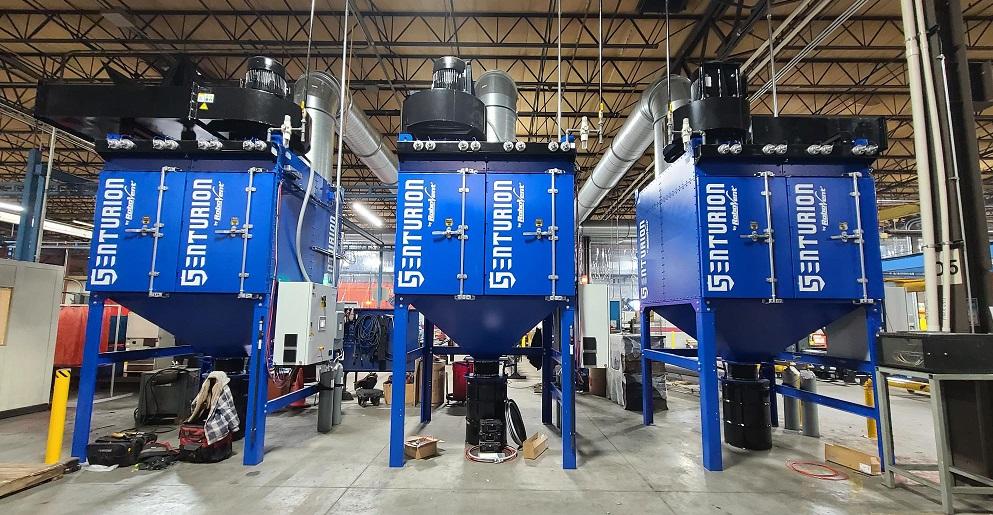
Industrial facilities that handle large-scale welding operations often require more than isolated extraction units to manage air quality effectively. Centralized systems are designed to control fumes across multiple workstations, ensuring consistent performance and improved safety throughout the facility. An industrial welding fume extractor plays a critical role in these systems by capturing contaminants at the source and directing them through a unified filtration network. Understanding how to design these systems properly allows manufacturers to maintain efficiency, meet safety standards, and support long-term operational success.
Understanding Centralized Extraction Systems
Centralized extraction systems are built to serve multiple welding stations through a connected network of ducts and filtration units. Instead of relying on individual units for each workstation, these systems consolidate airflow management into a single structure. This approach allows for better control over air quality across the entire facility. By collecting fumes from different points and directing them to a central filtration system, manufacturers can achieve more consistent results. The design also reduces redundancy in equipment, making it easier to manage and maintain overall system performance.
Key Components of an Effective System
A well-designed centralized system includes several essential components that work together to ensure efficient operation. These include capture hoods or arms, ductwork, fans, and filtration units. Each component must be carefully selected to match the specific needs of the facility. Proper sizing of ducts and fans is crucial to maintain adequate airflow and prevent loss of efficiency. Filtration units must be capable of handling the volume and type of particles generated during welding. When these components are integrated correctly, the system can deliver reliable performance while maintaining optimal air quality.
Importance of System Layout and Design
The layout of a centralized system plays a significant role in its effectiveness. Strategic placement of capture points ensures that fumes are collected before they disperse into the workspace. Duct routing must be planned to minimize resistance and maintain consistent airflow throughout the system. Poor design can lead to uneven performance and reduced efficiency, which may compromise safety. This is why careful planning and professional expertise are essential when designing centralized extraction systems. A well-thought-out layout ensures that all workstations receive adequate ventilation without unnecessary energy consumption.
Benefits for Business Performance
Beyond safety, centralized extraction systems can have a positive impact on overall business performance. Cleaner air contributes to a healthier work environment, which can improve employee productivity and reduce downtime. This concept is often discussed in terms of how workplace fume extraction can boost your business, with effective air management linked to operational efficiency. By investing in a centralized system, manufacturers can streamline processes and reduce maintenance requirements. The result is a more efficient operation that supports both worker well-being and long-term profitability.
Maintenance and System Longevity
Maintaining a centralized system is essential to ensure consistent performance over time. Regular inspection of ducts, filters, and fans helps identify potential issues before they affect efficiency. Filters must be replaced or cleaned according to usage levels to prevent clogging and reduced airflow. Proper maintenance not only extends the lifespan of the system but also ensures that it continues to meet safety standards. A well-maintained system operates more efficiently, reducing energy consumption and minimizing operational disruptions.
Adapting to Changing Industrial Needs
Industrial environments are constantly evolving, and centralized systems must be adaptable to accommodate these changes. Whether expanding production lines or introducing new welding processes, the system should be flexible enough to handle increased demand. Modular designs and scalable components allow manufacturers to upgrade their systems without complete overhauls. This adaptability ensures that the extraction system remains effective as operational requirements change. By planning for future needs, manufacturers can maintain efficiency and avoid costly modifications.
Conclusion
Designing centralized systems using industrial welding fume extractors requires careful planning, precise engineering, and ongoing maintenance. By focusing on system layout, component selection, and adaptability, manufacturers can create solutions that deliver consistent air quality across their facilities. These systems not only enhance workplace safety but also contribute to improved operational efficiency and long-term performance.