
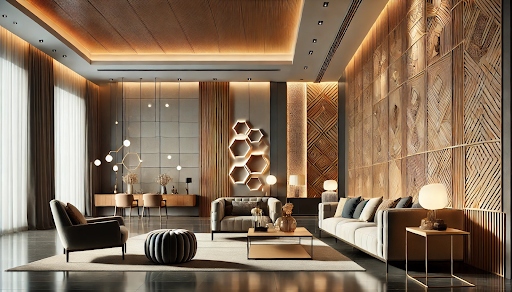
In the ever-evolving world of interior design, the quest for uniqueness and character in living and commercial spaces often leads designers and property owners alike to explore various materials and textures. Among the plethora of design options, decorative timber wall panels stand out as a timeless yet modern choice that injects warmth and personality into any environment. This article delves into the benefits and versatility of timber wall panels, and how they can elevate the aesthetic appeal of any interior space.
Why Timber Wall Panels?
Timber has long been a favoured material for its natural beauty, durability, and ease of integration into various design styles. When it comes to wall decor, decorative timber wall panels offer a unique combination of practicality and elegance. Not only do they serve as an eye-catching feature, but they also provide an additional layer of insulation and sound absorption, contributing to a more comfortable and serene interior atmosphere.
Implementing timber wall panels is a sustainable choice as well, as many manufacturers prioritise the use of responsibly sourced wood, contributing to conservational efforts and reducing environmental impact. As the appeal for eco-friendly materials grows, timber panels align perfectly with the push towards green design movements.
The Versatility of Timber Wall Panels
One of the greatest strengths of decorative timber wall panels is their versatility. Suitable for residential homes as well as commercial spaces such as hotels, restaurants, and corporate offices, these panels can be subtle or bold depending on the intended style. They seamlessly complement minimalist decors as much as they enhance richer, more opulent designs.
Whether designers are looking for a rustic, weathered look or a sleek, modern finish, timber panels can be crafted to match any theme. Their adaptability in terms of stains, finishes, and even cut-outs for bespoke designs, ensures that every installation can be as unique as the space it occupies.
Installation and Maintenance
Despite their luxurious appearance, decorative timber wall panels are surprisingly simple to install. Many come as part of a modular system, enabling a hassle-free setup that can be easily handled by professionals. Furthermore, their maintenance is straightforward, often requiring nothing more than a regular dusting and the occasional wipe-down with a wood-friendly cleaning solution to maintain their lustre and longevity.
The benefits of timber wall panels go beyond aesthetics and ease of installation. Their durable nature means they stand the test of time, resisting wear and tear in high-traffic areas and maintaining their form under various conditions if treated and installed correctly.
Designing with Timber Wall Panels
A powerful aspect of using timber wall panels is the opportunity they present for design innovation. They can be applied in full-height installations, as accent walls, or even in ceiling applications, amplifying the richness of a space through their multidimensional textures and patterns. For truly dynamic interiors, designers may choose to mix and match different styles of panels, creating a narrative within the room that reflects the personality or brand identity of the occupants.
Moreover, timber wall panels harmonise with other materials, such as metal, stone, or glass, providing endless possibilities for designers to explore contrasting elements while maintaining a cohesive look. They are particularly popular in projects aiming to achieve a balance between modernity and the natural world, serving as a reminder of the outdoors within indoor spaces.
Colour and Texture
Colour plays a crucial role in interior design, and timber wall panels offer a spectrum from pale beech to rich walnut and beyond. Depending on the chosen hue, they can either make a space feel more expansive or create a cosy, intimate setting. Their natural grain and texture bring an organic, tactile element to interiors that can soften the starkness of modern design or reinforce the authenticity of traditional styles.
The textures of timber panels can range from smooth and refined to intentionally rugged, allowing for a more artisanal feel. They can also be crafted to include carved or embossed patterns, adding depth and interest to the wall surface and making a striking visual statement.
Combining Function and Form
In today’s design landscape, the interplay of form and function is more important than ever. Timber wall panels are a stellar example of this harmonisation. In public spaces like auditoriums and conference halls, their acoustic properties contribute to better sound quality, while in homes, they can heighten privacy by muffling noise transfer between rooms. This functional aspect ensures that the inclusion of timber wall panels is not only about aesthetics but also about enhancing the quality of the lived experience.
In summary, the beauty and breadth of decorative timber wall panels cannot be overstated. They provide an imprint of nature’s design within the built environment and continue to rise in popularity due to their durability, sustainability, and endless customization options. By implementing timber panels, interior spaces acquire an elevated sense of design finesse that resonates with current trends and timeless elegance.
Timber Wall Panels: A Trend That Endures
As trends come and go, timber wall panels remain a constant in the world of interiors. Their enduring appeal is a testament to their flexibility, functionality, and sheer aesthetic value. For those looking to make a statement, transform a space, or simply bring a touch of the natural world inside, timber wall panels are an exceptional choice that will continue to captivate and inspire for years to come.
Whether employed in residential or commercial projects, the depth and diversity offered by timber wall panels ensure that they remain at the forefront of design. They are a timeless investment in any property’s future, promising not only to enhance the interior but also to improve the quality of living for those who inhabit these elegantly appointed spaces.


