
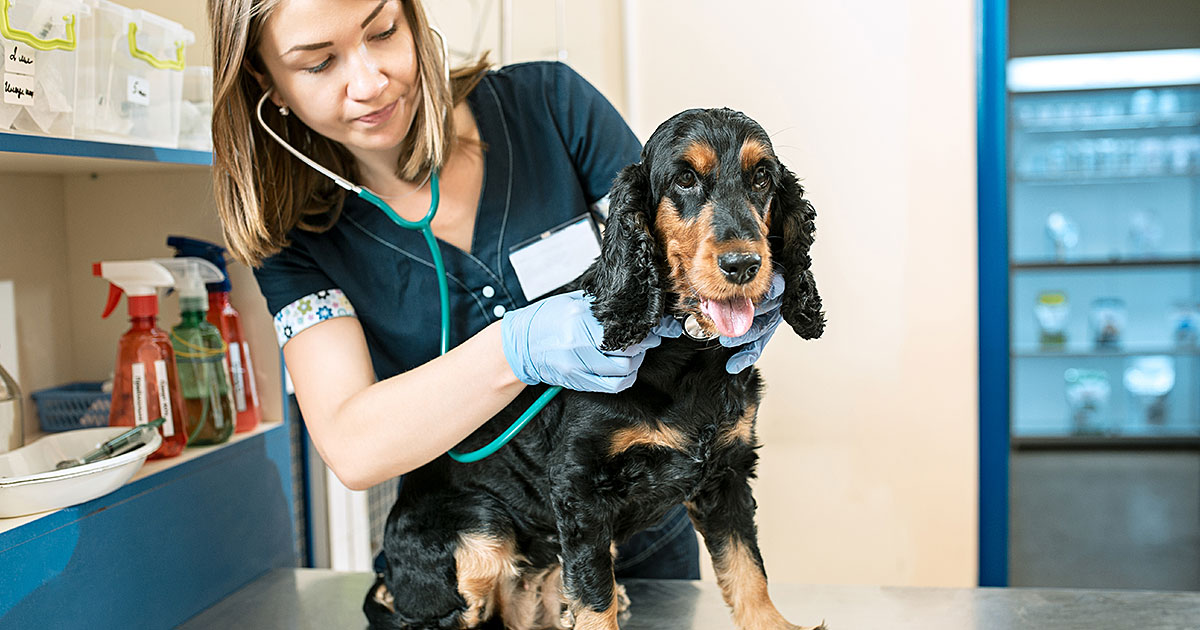
You might be looking at your dog or cat right now and thinking, “You seem fine. Do you really need another vet visit?” Maybe the last appointment with a veterinarian in Newark felt rushed, or the bill caught you off guard, and now you are torn between wanting to do everything right and not wanting to put your pet through stress or put your budget under pressure. That tug of war is very common for caring pet owners.end
At the same time, there is a quiet fear in the background. What if something is brewing under the surface that you cannot see yet? What if by the time you notice it, it is too late or far more expensive to treat? This is exactly where routine checkups come in. Regular visits do not just “check a box.” They help catch problems early, prevent disease, support behavior and quality of life, and in many cases quite literally extend the years you get with your pet.
So the short version is simple. Consistent wellness exams with a general veterinarian are one of the most reliable ways to keep your pet living longer and feeling better, while also protecting your family from some illnesses that can pass from animals to people. The rest of this piece walks through why that is true, what can go wrong when checkups are skipped, and what you can start doing right away.
Why do healthy pets still need checkups every year or more often?
It often starts with a small decision. Your dog’s vaccine reminder shows up, but life is hectic. Your cat hates the carrier and cries in the car. You skip one visit, then another, and your pet still seems fine. Because of that, it is easy to wonder if these regular exams are really necessary or if they are just routine for the clinic.
The tricky part is that animals are very good at hiding pain and illness. By the time you see clear signs like weight loss, constant drinking, bad breath, or changes in behavior, a condition may already be advanced. According to the American Veterinary Medical Association, many serious problems such as kidney disease, diabetes, arthritis, and dental disease can be detected during routine wellness visits before they become obvious at home.
So where does that leave you? On one side, you have the stress of appointments and the cost of care. On the other side, you have the risk of missing something that could shorten your pet’s life or cause long-term discomfort. The goal is not to see a vet for every tiny concern. It is to build a schedule of regular checkups that gives your pet the best chance at a long, comfortable life, and gives you more predictable, manageable costs over time.
What really happens during a wellness exam, and why does it matter?
Think of routine pet health checkups as a layered safety net. A good exam looks calm and simple on the surface, but your veterinarian is quietly checking many different systems at once.
During a typical visit, your vet will review your pet’s history, diet, behavior, and daily habits. They will examine eyes, ears, mouth, skin, heart, lungs, abdomen, joints, and more. For cats, for example, regular exams are also a chance to talk about mental stimulation and environment. The University of Illinois explains how checkups and enrichment together support longer, healthier lives in cats.
Here is why these steps matter so much.
Imagine a middle-aged dog who comes in for a “routine” visit. The owner mentions a little extra drinking, but nothing dramatic. The vet hears a slight heart murmur, notices a mild gum infection, and suggests a blood test. The test shows early kidney disease. Caught now, diet changes and medication can slow the disease and add years to the dog’s life. If that same dog skipped checkups for two or three years, the first sign might have been a crisis trip to the emergency clinic, with far fewer options and much higher costs.
Or picture an indoor cat that seems perfectly healthy. During a wellness exam, the vet notices weight gain, slight tartar on the teeth, and a bit of anxiety. With a few changes to food, play routines, and dental care, that cat can avoid diabetes, painful dental extractions, and stress-related problems that can show up in the litter box or on the furniture.
There is another layer here that many owners do not realize. Some pet diseases can affect people too. These are called zoonotic diseases. The Centers for Disease Control and Prevention shares detailed information on how healthy pets help keep people healthy, especially children, older adults, and people with weaker immune systems. Regular exams, vaccines, and parasite prevention reduce the risk that your dog or cat could pass something on to your family.
What are the tradeoffs of routine checkups versus waiting until something is wrong?
Because you may be weighing time, money, and stress, it can help to see the differences side by side. The question is not “Do I see a vet or not?” It is usually “Do I budget for planned wellness visits or roll the dice and hope to avoid big urgent bills later?”
| Approach | Short-term impact | Long-term impact on your pet | Long-term impact on your budget |
|---|---|---|---|
| Regular wellness checkups | Predictable yearly or twice-yearly costs. Some stress for anxious pets, but often manageable with planning. | Higher chance of early detection. Better control of weight, dental health, and chronic disease. More active, comfortable older years. | Costs spread out. Lower risk of sudden large emergency bills. Often cheaper to prevent or manage early than to treat late-stage disease. |
| Waiting until obvious illness | No routine costs, but lingering uncertainty. Problems may be missed until they are serious. | Greater risk of pain, advanced disease, or shorter lifespan. Some conditions become harder or impossible to fix. | Higher chance of expensive emergency visits, hospitalization, or complex treatments. Less time to plan or save. |
| Inconsistent care (visits every few years) | Occasional costs. Health history is patchy, which makes trends harder to see. | Some issues caught, but early patterns in bloodwork or weight changes may be missed. | Mixed. You might save in some years, then face high costs when a preventable issue finally shows up. |
There is also the question of public health. Routine veterinary care keeps vaccines and parasite control up to date, which lowers the chance of diseases spreading between pets and people. The American Veterinary Medical Association offers guidance on preventing zoonotic diseases in pet-owning households. When your pet stays healthy, your home is safer too.
What can you do right now to help your pet live longer and feel better?
You do not have to overhaul everything in one day. A few clear steps can make a real difference in how long your pet lives and how comfortable those years are.
1. Set a clear checkup schedule and stick to it
Ask your general veterinarian what they recommend for your pet’s age and species. Many adult pets do well with yearly wellness exams. Seniors and animals with chronic conditions may need visits every six months. Put the next appointment on your calendar before you leave the clinic. Treat it like you would a child’s well visit, something you plan around instead of trying to squeeze in at the last minute.
If cost is a concern, talk openly with your vet about it. Ask which tests and vaccines are most important right now, and which can be spaced out. Some clinics offer wellness plans that spread costs out over the year. A structured plan is usually easier on your budget than facing an emergency fee without warning.
2. Use each visit to ask about prevention, not just treatment
Many owners feel rushed and forget their questions until after they get home. It can help to write things down before the appointment. Ask about weight, diet, dental care, behavior changes, and exercise. These may seem like small topics, but small adjustments add up over time and can add months or years to your pet’s life.
You can also ask how to protect your family’s health. For example, how often to deworm your dog, how to handle litter box hygiene, or what to watch for if you have young children or older adults at home. Your vet can guide you in line with public health advice from sources like the CDC on living safely with pets.
3. Make home life support the work your vet is doing
Routine checkups are powerful, but they are not magic. What you do at home in between visits is just as important. Follow your vet’s recommendations on food amounts. Watch for changes in thirst, appetite, energy, or bathroom habits, and jot them down so you can report patterns accurately.
For cats, build in daily play and mental stimulation. That reduces stress and helps with weight control, both of which are closely tied to health and lifespan. For dogs, regular walks, training games, and social time keep bodies and minds active. Combined with regular pet wellness care, these habits help your animal age more slowly and stay comfortable longer.
Bringing it all together and choosing your next step
You care about your pet, and you want more good years together, not just more years. Routine veterinary checkups are one of the most reliable tools you have for that. They catch problems early, guide daily choices at home, and protect both your animal and your household from preventable disease.
You do not have to be perfect, and you do not have to know all the right questions. You only need to take the next small step. Schedule that wellness visit. Bring your concerns and your budget worries into the open. Use the time with your veterinarian to build a simple plan that fits your life and supports your pet’s long, healthy future.

