
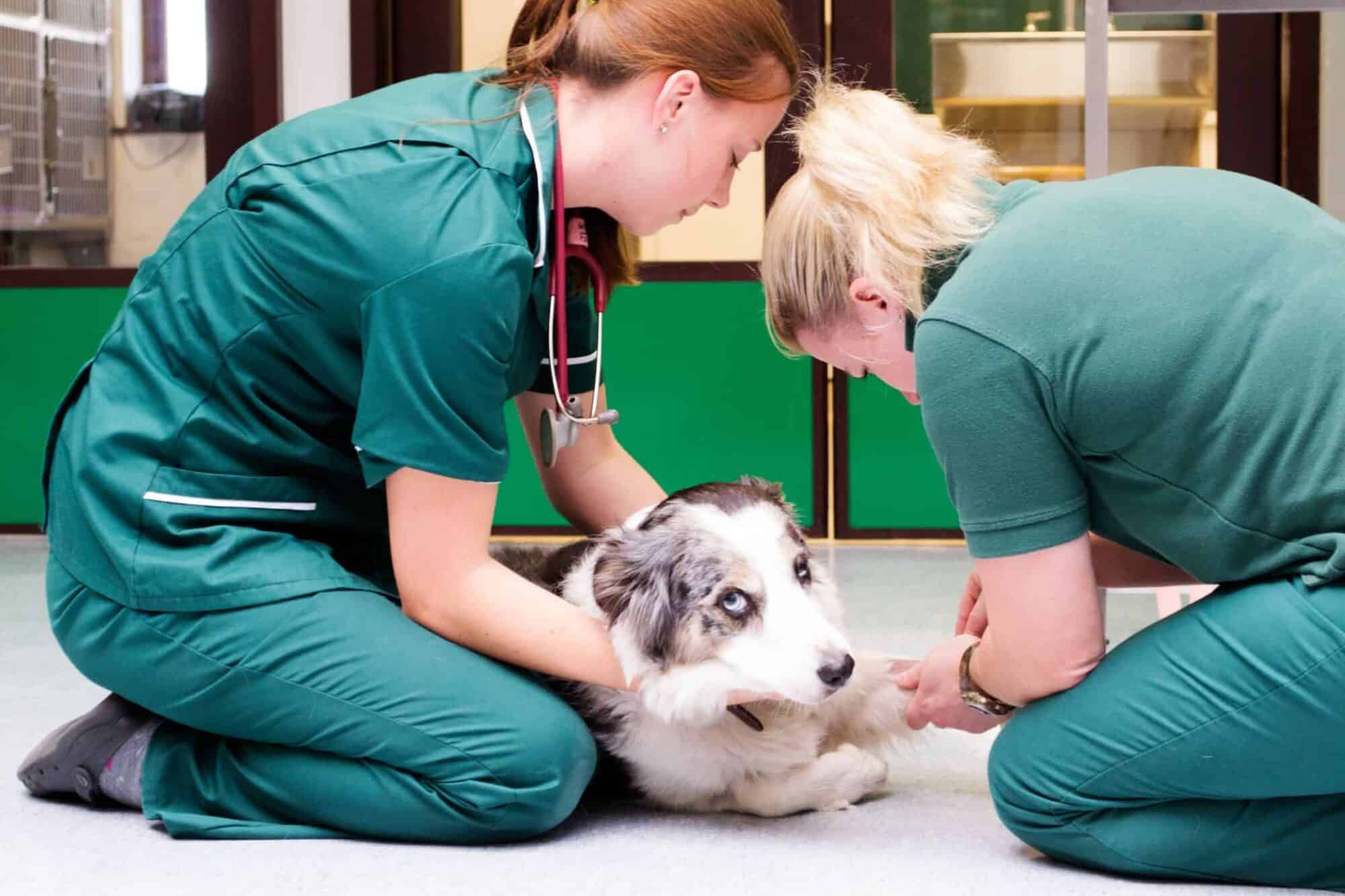
You might not think about a storm, wildfire, flood, or power outage until the forecast turns serious, and then everything changes at once. A normal day at a small animal veterinary hospital can turn into a race to protect patients, staff, medications, records, and life support systems. If you run or manage a clinic, that pressure is real, because animals in your care cannot simply grab a carrier and leave on their own. The short version is this. Good disaster planning for veterinary clinics, including any veterinarian in Dewitt, comes down to clear roles, safe evacuation and shelter plans, backup power and medical supplies, strong communication, and regular practice before a crisis ever starts.
That sounds simple on paper, but when you picture frightened pets, worried owners, and a team trying to keep oxygen, refrigeration, and surgery spaces working, the weight of it becomes clearer. Because of that tension, you might wonder what preparation actually looks like behind the scenes, and what separates a workable plan from one that falls apart under stress.
What makes natural disaster planning for veterinary clinics so hard?
The challenge is not just weather. It is timing, uncertainty, and the fact that every patient has different needs. A healthy dog boarding overnight is one thing. A cat recovering from surgery, a rabbit that stresses easily, or a brachycephalic dog that struggles in heat is something else entirely. In a disaster, staff must decide who moves first, what equipment travels with them, how records stay accessible, and where each animal can be housed safely.
Then there is the business side. Lost power can spoil vaccines and temperature sensitive drugs. Internet outages can block access to cloud records. Road closures can delay staff or prevent pet owners from reaching the hospital. If the building is damaged, the clinic may lose revenue at the exact moment costs rise. So, where does that leave you? It means small animal veterinary hospital emergency planning has to protect both patient care and operational survival.
Many hospitals start with guidance from public agencies. The CDC offers practical advice on pet emergency preparedness, which helps clinics think through transport, identification, food, medications, and safe sheltering. For staff safety during response efforts, the CDC’s NIOSH resources on working around animals in emergencies can help teams reduce injury and infection risks during chaotic conditions. Facilities that fall under federal animal welfare rules can also review USDA APHIS guidance on weather emergencies and natural disasters to strengthen written plans and response procedures.
How do veterinary hospitals protect animals when every minute counts?
The best plans are specific. Staff need a written chain of command, not just a general idea that everyone will pitch in. One person may handle medical triage, another may oversee transport crates and labels, another may contact pet owners, and another may secure controlled substances and backup records. When those roles are assigned in advance, a team can act faster and with less confusion.
Evacuation planning matters just as much as sheltering in place. If a hurricane is days away, a hospital may transfer fragile patients early, discharge stable cases, and pause elective procedures. If a tornado warning hits with little notice, the safer move may be to bring animals into interior spaces, away from windows, while keeping oxygen support and emergency drugs close by. A good animal hospital disaster preparedness plan addresses both paths.
Communication is another weak point if it is not built ahead of time. What if phone lines fail? What if one manager is unreachable? Many clinics now keep printed contact trees, laminated evacuation maps, and offsite copies of key records. Microchip numbers, cage cards, medication logs, and treatment summaries should be easy to grab quickly. In a stressful moment, small details like clear labels and printed instructions can prevent painful mistakes.
Which practical safeguards matter most for a small animal veterinary hospital?
Some safeguards feel expensive until you compare them with the cost of losing patients, inventory, or weeks of operations. Backup generators, fuel plans, battery powered lighting, extra carriers, and temperature monitoring for medication storage all help reduce risk. Regular drills also matter more than many clinics expect. A plan that has never been practiced often breaks at the first point of pressure.
| Preparation Area | If It Is Ready Before a Disaster | If It Is Missing During a Disaster |
| Backup power | Oxygen support, refrigeration, and basic operations can continue longer | Drug loss, equipment failure, and urgent patient transfers become more likely |
| Evacuation crates and patient ID | Animals move faster and are less likely to be mixed up | Confusion, delays, escape risk, and treatment errors can rise |
| Written staff roles | Teams act with less panic and fewer duplicate tasks | Critical jobs may be missed when time is short |
| Owner communication plan | Clients know where pets are and what to expect | Phone overload, misinformation, and trust issues can grow |
| Supply cache | Food, fluids, PPE, medications, and cleaning supplies last through disruptions | Care quality can drop if deliveries stop or roads close |
This is where veterinary hospital preparedness for natural disasters becomes less about theory and more about resilience. The goal is not perfection. It is reducing avoidable harm when conditions are far from normal.
What can you do right now to strengthen emergency preparedness at your veterinary clinic?
1. Build a simple written plan that names names.
Assign who leads triage, who handles records, who contacts owners, who manages supplies, and who makes the final call on evacuation or sheltering. Include after hours contacts, vendor numbers, utility information, and a backup decision maker if the first person is unavailable.
2. Walk your hospital like a disaster is coming tonight.
Check where carriers are stored, whether oxygen dependent patients can be moved safely, how controlled drugs would be secured, and how long refrigerated medications stay safe without power. Look for loose outdoor items, blocked drains, weak window coverings, and areas where floodwater could enter.
3. Practice one short drill every quarter.
You do not need a huge production. Run a 20 minute exercise for wildfire smoke, flash flooding, or extended power loss. Time how fast staff can print records, label carriers, move critical patients, and notify owners. Afterward, fix one weakness before the next drill.
How do you move forward without feeling overwhelmed?
You do not need to solve every risk in one week. Start with the basics that protect life first, then build from there. When a small animal veterinary hospital prepares well, it gives pets a steadier chance of safety, gives staff more confidence under pressure, and gives owners something they need badly in a crisis, which is trust. If your clinic has been meaning to update its emergency plan, this is a good time to begin, one practical step at a time.


