
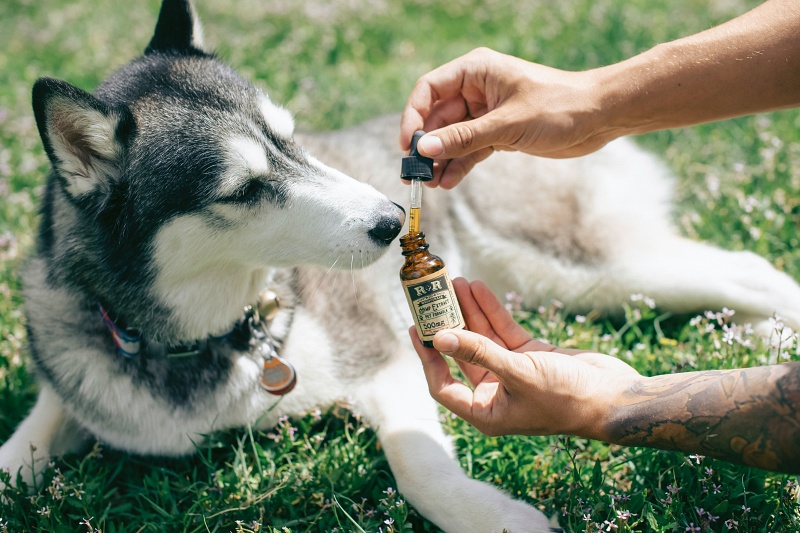
You might be noticing something changing in your pet’s care. Maybe your regular vet has started talking about acupuncture or supplements. Maybe you have seen “integrative veterinary medicine” on a veterinarian Princeton clinic website and wondered if this is real medicine or just a trend.end
You care deeply about your animal, and you want to do the right thing. At the same time, you might feel pulled in different directions. One person tells you to stick with traditional drugs and surgery. Another swears that herbs and acupuncture saved their dog. Caught in the middle is you, trying to sort out what is safe, what is science based, and what is simply hope.
That tension is exactly why more veterinary clinics are embracing a blend of conventional and complementary care. In simple terms, they are using modern diagnostics and medications, then adding therapies like acupuncture, physical rehab, nutrition strategies, and some evidence supported natural products. The goal is not to replace standard care. The goal is to support your pet’s body from more than one angle so pain is lower, recovery is smoother, and quality of life is higher.
So where does that leave you. In short, this shift is happening because chronic disease is common, pets are living longer, and research is starting to show that certain “alternative” approaches can work alongside standard treatment. Your job is not to become an expert overnight. Your job is to understand the big picture, ask better questions, and choose a veterinary clinic that can guide you through both conventional and integrative pet care in a thoughtful way.
Why are more vets blending traditional and integrative care for pets?
It often starts with a familiar story. A dog with arthritis who is already on anti inflammatory medication, yet still limps after a short walk. A cat with chronic kidney disease who is stable on fluids and prescription food, but is losing weight and seems withdrawn. A rabbit or guinea pig who cannot tolerate certain drugs, yet clearly needs pain relief. You do what you are told, you follow the plan, and still your animal is not quite themselves.
When that happens, you might feel frustrated and even guilty. You might think, “Is there something else I should be doing. Am I missing an option that could make them more comfortable.” That emotional pressure is real. It is one of the big reasons people start searching for acupuncture, chiropractic adjustments, herbal formulas, or special diets.
The problem is that the internet is full of bold claims and very uneven quality. Some treatments are backed by serious research. Others are based only on anecdotes. For example, reviews of acupuncture in animals show that there can be measurable benefits for pain and some neurologic conditions, though the quality of studies varies and results are not magic cures. You can see an example of this kind of analysis in a review of veterinary acupuncture and rehabilitation that carefully weighs evidence and limits of the data, similar to how this scientific overview of integrative therapies does for human medicine.
Because of this, many veterinarians became concerned that their clients were turning to unproven methods on their own, sometimes stopping medications or delaying surgery. That can be risky. It can also be expensive when money is spent on supplements or treatments that do very little, while the disease quietly worsens.
So what is changing. More clinics are choosing a different path. Instead of saying “no” to everything outside of standard care, they are asking, “What complementary treatments have enough evidence or clinical experience to be worth including. How can we use them in a way that is safe and honest.” This is where integrative veterinary medicine comes in. It keeps diagnostics, surgery, and pharmaceuticals at the core. Then it selectively adds therapies such as acupuncture, laser therapy, physical rehab, targeted nutritional changes, and certain herbal or nutraceutical products.
There are now formal position papers and reviews that describe how this model can work for animals, including discussions of acupuncture, manual therapies, and herbal medicine in practice, similar in structure to this evidence based review of complementary medicine. Entire textbooks and guidelines have been written for vets who want to practice this way. One example is a detailed overview of integrative veterinary approaches that covers how to evaluate therapies, when to use them, and how to protect patient safety, much like the framework presented in this integrative veterinary medicine reference.
In real life, this might look like a dog with arthritis receiving joint X rays, blood work, and standard medications, then also getting a structured program of weight control, physiotherapy, acupuncture, and possibly a carefully chosen joint supplement. The “after” picture is not a miracle, but often a pet who moves more easily, needs lower drug doses, and enjoys life more fully.
What should you weigh when choosing integrative veterinary options?
The decision to add non standard therapies is rarely only medical. It is emotional and financial too. You want relief for your pet, but you also need clarity about cost, evidence, and time commitment. You may be wondering, “How do I compare traditional care alone with a more blended approach.”
The table below gives a simple side by side view of some common differences between conventional only care and an integrative veterinary clinic approach for a chronic condition like arthritis or long term pain.
| Aspect | Conventional Only Care | Conventional + Integrative Care |
|---|---|---|
| Primary tools used | Diagnostics, surgery, pharmaceuticals | Same core tools plus acupuncture, rehab, nutrition strategies, selected supplements |
| Typical goals | Control symptoms, slow disease, prevent crises | Control symptoms, support function, improve comfort and daily quality of life |
| Evidence base | Strong for most drugs and surgeries | Strong for core care, mixed but growing for many complementary therapies |
| Visit pattern | Less frequent, focused on monitoring and refills | More frequent at first, includes treatment sessions and reassessment |
| Cost pattern | Higher costs around tests and procedures, lower ongoing add ons | Similar core costs plus ongoing fees for extra therapies and supplements |
| Owner role | Give meds, show up for checkups | Active partner in home exercises, diet, and tracking subtle changes |
| Potential advantages | Clear protocols, strong regulatory oversight | More options for hard to control pain, possible reduction in drug doses, focus on whole patient |
| Key risks | Drug side effects, limited tools if meds are not enough | Financial strain, variable evidence quality, risk if unqualified providers are used |
There is no one right choice for every family. Some conditions respond beautifully to standard treatment alone. Others seem to need more support. The important thing is that you do not feel pressured into “all natural” care that asks you to abandon proven medicine, and you also do not feel dismissed when you ask about acupuncture, rehab, or nutrition.
Three steps you can take now to protect and support your pet
1. Ask your vet for an honest, written treatment plan
Start by asking your veterinarian to map out the current diagnosis, the goals of treatment, and the main options. Ask which parts are strongly supported by research, and which are more experimental or experience based. This alone can lower your stress, because you will see where integrative therapies might fit rather than guessing.
If your vet offers complementary treatments, ask how they were trained and what outcomes they usually see. If they do not offer them, ask if they are open to coordinating care with a qualified colleague who does. A good medical partner will welcome questions and will not be offended if you want to explore additional tools, as long as safety and evidence are respected.
2. Use a simple filter for any new therapy or supplement
Before adding anything, run it through three questions. First, is it safe for my species and my pet’s specific condition. Second, what evidence exists that it helps, and where can I read about it. Third, what are we hoping to improve, and how will we measure that. If no one can answer these clearly, pause before proceeding.
You can also ask about interactions. For example, certain herbal products can affect blood clotting or liver metabolism, which matters if your pet is on pain medication or seizure drugs. Your veterinary team should know every pill, powder, or chew your animal receives, even if it is sold as “natural.”
3. Focus on the basics that almost always help
Some of the most powerful integrative tools are very simple. For many pets, careful weight control, appropriate exercise, a stable routine, and mental enrichment do more than any one supplement. In chronic pain, structured physical rehab and home exercises can restore strength and confidence. In older pets, small changes like non slip flooring, ramps, and raised bowls can transform daily comfort.
When you are overwhelmed, ask your vet, “If we did only two or three practical things beyond medication, what would you choose for my pet right now.” Start there. You can always add more later if you see benefit and can afford it.
Moving forward with more confidence in your pet’s care
You do not have to choose between strict conventional medicine and untested alternative care. Thoughtful integrative veterinary medicine sits in the middle. It keeps your pet grounded in solid diagnostics and proven treatments, then adds other methods that have a reasonable chance of easing pain, improving function, and supporting overall well being.
It is normal to feel unsure when you hear new terms and see unfamiliar therapies. What matters most is that you feel heard, your questions are welcomed, and your pet’s care plan makes sense to you. When you partner with a veterinary clinic that is transparent about evidence, honest about limits, and open to safe complementary options, you gain something very important. You gain a path forward that is both caring and clear.
If you are standing at that crossroads now, start by having a frank conversation with your current vet. Ask where integrative options might fit, what they recommend for your specific animal, and how you can work together to make each day more comfortable and meaningful for your pet.