
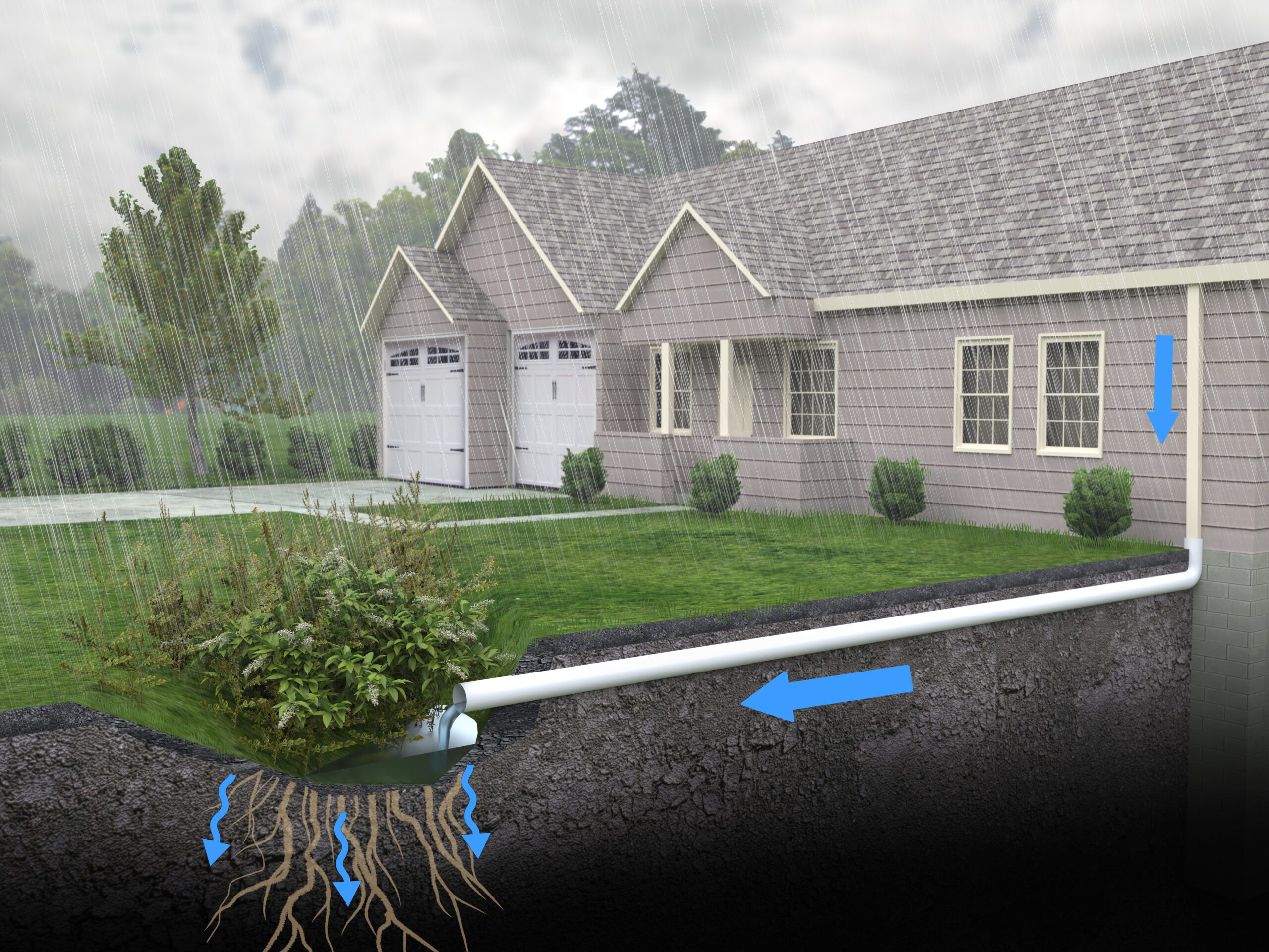
In contemporary urban environments, the management of stormwater presents a critical challenge. The increasing frequency of extreme weather events, coupled with the dense construction in cities, calls for innovative approaches to urban drainage. This need is driven by the recognition that traditional systems are often unable to cope with the deluge of rainwater, resulting in flooding, infrastructure damage, and adverse environmental impacts.
An effective stormwater management strategy is not just about handling excess rainwater; it includes consideration for water quality, the impact on local ecosystems, and the long-term viability of urban infrastructure. As cities continue to grow and change, the demand for adaptable, efficient, and sustainable stormwater solutions has never been greater.
The Role of Urban Drainage in Modern Cities
Urban drainage plays a pivotal role in the maintenance and operation of a city. It ensures that stormwater is efficiently removed from streets, buildings, and other structures, thereby reducing the risk of flooding and minimizing the disruption to daily life. However, with the intensification of urban areas and non-pervious surfaces, the quantity of water that must be managed has increased significantly.
This increased volume of stormwater can overwhelm traditional pipe-based drainage systems, leading to overflow events that damage property and environment. As a result, there is an urgent need for advanced urban drainage solutions that can handle these challenges effectively.
Innovative Strategies for Stormwater Management
Innovation in urban drainage is currently being shaped by a range of considerations, from environmental sustainability to technological advancements. One of the most transformative trends is the adoption of green infrastructure. This approach mimics natural processes and involves the integration of plants, soils, and other natural elements into the urban environment to absorb, filter, and manage runoff.
Another emerging solution is the development of smart drainage systems. These technology-driven systems can provide real-time monitoring and control of water flow, using sensors and predictive algorithms to optimize the performance of the drainage infrastructure under varying weather conditions.
Sustainable Urban Drainage Systems (SUDS)
Sustainable Urban Drainage Systems, or SUDS, are becoming increasingly popular as a way to manage stormwater in a more environmentally friendly manner. By incorporating features such as rain gardens, bioswales, and permeable pavements, SUDS help to slow down the runoff, allowing more water to infiltrate the ground or be taken up by vegetation, thus reducing the pressure on the sewage system and enhancing the urban ecosystem.
Regulations and Community Engagement
Effective stormwater management requires more than just technical solutions; it also depends on supportive regulations and active community engagement. Urban planners and policymakers must establish clear guidelines that promote and reward the implementation of innovative drainage solutions. Moreover, educating the public about the importance of stormwater management can encourage practices such as rainwater harvesting and the reduction of impervious surfaces in residential areas.
Collaboration Across Sectors
To address the complex issue of urban drainage, collaboration between various sectors is necessary. This involves local authorities, urban planners, engineers, environmentalists, and the community working together to develop integrated strategies that cater to the unique needs of each city. Through multi-stakeholder engagement, more resourceful and adaptive approaches can be designed to ensure the resilience of urban drainage systems.
Challenges in Implementation
Despite the availability of innovative solutions for urban drainage, there are obstacles in their widespread implementation. These include economic constraints, as many advanced drainage systems require significant initial investment, and regulatory barriers where existing policies may not be conducive to adopting new technologies or practices.
Moreover, the retrofitting of older urban areas with new drainage infrastructure can be especially challenging, due to existing building layouts and underground utilities. However, with a long-term view focused on prevention and sustainability, the investment in modern drainage solutions is likely to prove cost-effective, by mitigating future damage costs and creating healthier urban environments.
Looking Ahead
The future of urban drainage lies in the ability of cities to adapt to changing conditions and embrace innovative strategies for stormwater management. With the risks of climate change looming, the urgency for effective and versatile urban drainage solutions is heightened. It is vital that cities invest in technologies and systems that not only manage stormwater efficiently, but also contribute to the creation of greener and more liveable urban spaces.
In conclusion, navigating stormwater challenges in urban areas requires a multi-faceted approach that combines innovative engineering with sustainable practices and active engagement from all stakeholders. By doing so, cities can protect themselves against the immediate risks of flooding and water damage, while laying the groundwork for a more resilient and sustainable future.
Urban drainage is more than just a utilitarian concern; it is a significant factor in the liveability and sustainability of modern cities. As urban areas continue to grow, the innovations in stormwater management will play an increasingly vital role in shaping the health and resilience of our urban environments. The integration of effective drainage solutions is not merely a technical challenge, but a societal imperative. By looking forward – and upwards – cities can meet the stormwater challenges of today, and pave the way for a cleaner, greener, and safer tomorrow.


