
The art of distillation has long been a practice steeped in tradition, innovation, and craftsmanship. Amongst the pantheon of distinguished spirits, whiskies have carved out a renowned and respected space. They offer complexity and variety that is endlessly fascinating to both the whisky enthusiast and the curious novice. In this article, we’ll be traversing the tapestry that is fine whiskies, with a focus on bourbon, the intricate layers of Glenmorangie, and the unmistakable character of Jack Daniels.
An Ode to Bourbon: America’s Native Spirit
In the United States, the term ‘bourbon’ has a special significance. Defined by Congress as a distinctive product of the country, the best bourbon is not just made; it is crafted with passion and precision. As you nose a glass of bourbon, you encounter a spectrum of aromas from sweet, corn-rich heartiness to complex vanillin notes imparted by charred oak barrels in which they mature.
Bourbon’s roots can be traced back to the frontier times of Kentucky where pioneer distillers realised the potential of the native corn. Now, it is enjoyed in countless variations, each with their own signature profiles. Imbibing a glass of top-notch bourbon is like taking a liquid journey through history and heritage, one that is uniquely American but loved worldwide.
Glenmorangie: A Highland Legend
Northward in the mist-laden Highlands of Scotland lies the illustrious Glenmorangie distillery. The name itself conjures visions of craftsmanship and pride, reflective of its Gaelic meaning ‘valley of tranquillity’. Renowned for its dedication to meticulous curation of flavours, Glenmorangie is not just whisky; it’s liquid poetry.
One cannot talk about Glenmorangie without mentioning its tall copper stills, the tallest in Scotland, which allow only the lightest and purest vapours to ascend. This is where the magic happens, resulting in a spirit that is elegantly complex. The original ten-year-old is often seen as the perfect starting point for those new to Highland Single Malts, but the depths of Glenmorangie’s range hold many more notes to be discovered with each sip.
Jack Daniels: The Lincoln County Process
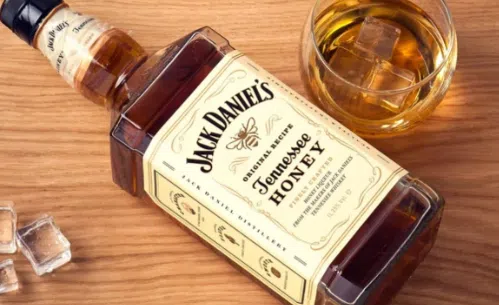
When one hears ‘Jack Daniels’, the mind immediately goes to the black-labelled Old No. 7 bottle that has become globally synonymous with Tennessee whiskey. What sets Jack Daniels apart is their use of the Lincoln County Process, a method involving maple charcoal filtration before aging the spirit. This unique step imparts a distinctive smoothness and sweetness that Jack Daniels aficionados relish.
Despite its mass appeal, Jack Daniels still adheres to time-honoured methods of whisky making—handcrafted barrels, natural spring water straight from the source, and, importantly, patience. Each barrel is given the time it needs to mature, ensuring the characteristic depth and character of Jack Daniels is present in every drop.
The Ritual of Tasting
A connoisseur’s appreciation of fine whiskies is as much about the ritual as it is about the taste. Observing the colour, nosing the aroma, and then finally tasting the spirit is a ceremonial act. When enjoying bourbon, one can take note of the rich amber hue, a byproduct of the new charred oak barrel aging. Nosing should reveal a symphony of caramel, vanilla, and perhaps a hint of spice.
With Scottish single malts like Glenmorangie, the colour might hint towards the type of casks used in maturation—golden from ex-bourbon casks or a rich amber from sherry wood. The aromas can range from citrus and floral to rich and woody, each telling of the environment in which it was crafted.
Tennessee whiskey offers a balance of sweetness, charcoal, and smokiness on the nose, a testament to the Lincoln County Process, which sets it apart from its Kentucky neighbour. The tasting ritual here might reveal hints of toasted oak, vanilla, and even a touch of banana or caramel.
Food Pairings
As with wine, fine whiskies can be elevated when paired with the right food. Bourbon, with its sweet, smoky profile, can complement a rich dessert or a robust cheese board. Glenmorangie, particularly the expressions aged in wine casks, can marry beautifully with seafood or a creamy dessert. Jack Daniels, meanwhile, may perfectly accompany smoked meats or rich, spicy dishes.
Collecting and Investing
Whisky collecting isn’t just for the passion of spirits; it can also be a wise investment. Special editions and older age statements routinely appreciate in value. Whether seeking out a rare bottle of bourbon, limited editions of Glenmorangie, or one of the exclusive Jack Daniels Sinatra Select bottles, each bottle holds potential both for enjoyment and as part of a diversified investment portfolio.
Understanding the subtleties that make each spirit unique is part of the joy of whisky. Whether you lean towards the American heritage of the best bourbon, the Scottish craftsmanship of Glenmorangie, or the Tennessee tradition of Jack Daniels, each sip offers a lesson in flavour, culture, and history. So, raise a glass to the spirits of distinction—a toast to the alchemy that turns grain and water into liquid gold.
Embarking on the Whisky Journey
To truly appreciate the world of fine whiskies is to commit to a lifelong journey of discovery. It’s a path filled with nuanced flavours, storied histories, and passionate communities. The splendour of a finely crafted spirit reflects the heart and soul of its creators.
As our connoisseur’s guide comes to a close, remember that the adventure doesn’t end here. To explore the expansive range, visit local distilleries, attend tastings, or simply share a dram with good company. The world of bourbon, Glenmorangie, and Jack Daniels awaits with its welcoming arms, ready to reveal its spirits of distinction to those who seek them with enthusiasm and respect.
Whether you’re an avid collector or a curious novice, there’s no better time to delve into the alluring world of whiskies. Here’s to savouring each taste and finding your favourites among these quintessential expressions of the distiller’s art.


