
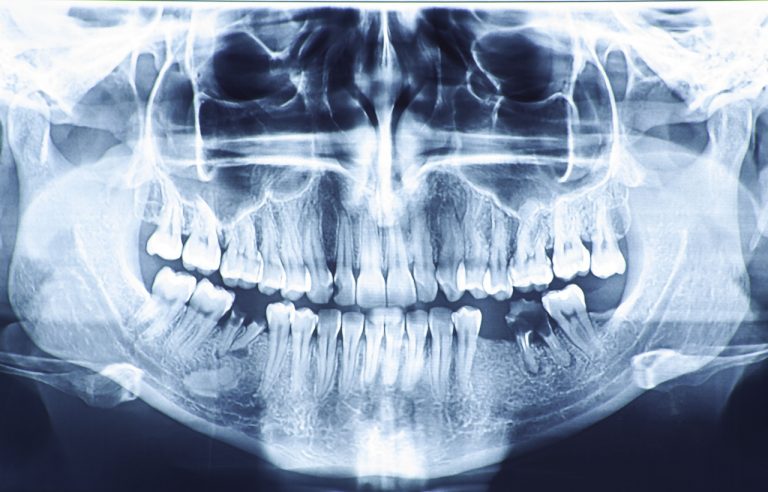
Dental X rays might feel scary or unnecessary. You sit in the chair, bite on a small tab, and wonder why it matters. The truth is simple. Your teeth and gums can hide serious problems that you cannot see in a mirror. X rays show decay between teeth, infections under fillings, bone loss, and cysts that stay quiet until they cause pain. Early treatment saves teeth, money, and peace of mind. It also keeps small issues from growing into emergencies. A Castle Hills Forest dentist uses dental X rays as a basic tool, not a luxury. You deserve clear answers about what is happening inside your mouth. You also deserve care that does not wait for pain before acting. This blog explains how dental X rays protect your health, how often you might need them, and what you should expect at each visit.
What Dental X Rays Actually Show
You see only the surface of your teeth. X rays show the rest. They reveal:
- Cavities between teeth that a mirror cannot show
- Decay under old fillings or crowns
- Infections at the root tip
- Bone loss from gum disease
- Impacted or extra teeth
- Cysts and some tumors in the jaw
Without X rays you and your dentist work partly blind. You might feel fine while a hidden infection slowly eats bone. You might brush and floss yet still lose teeth because bone loss stayed hidden until it was too late.
Common Types Of Dental X Rays
Different X rays answer different questions. You do not need every type at every visit. Here are the most common types you might see in general dentistry.
| Type of X Ray | What It Shows | Typical Use |
|---|---|---|
| Bitewing | Upper and lower back teeth on one side. Shows bone height and cavities between teeth. | Checks for decay and early bone loss during routine visits. |
| Periapical | The whole tooth from crown to root tip and surrounding bone. | Checks infections, abscesses, and root problems. |
| Full mouth series | Many small images that cover all teeth and surrounding bone. | Used for new patients or when you have complex dental needs. |
| Panoramic | One large image of both jaws, sinuses, and jaw joints. | Used for wisdom teeth, planning dentures, and checking growth. |
Low Radiation And Strong Safety Rules
Worry about radiation is common. You should ask about it. Modern dental X rays use digital sensors and focused beams. That reduces exposure by a large amount compared with older film systems.
The American Dental Association explains that a set of four routine bitewing X rays gives a dose of radiation that is much lower than many medical images.
Your dental team also follows strict safety rules.
- They use the lowest exposure that still gives a clear image.
- They cover your body with a lead apron when needed.
- They take X rays only when there is a clear reason.
The U.S. Food and Drug Administration gives clear standards for dental X ray machines and use.
How Often You Might Need Dental X Rays
There is no single schedule that fits every person. Your dentist looks at three things.
- Your age
- Your risk of tooth decay and gum disease
- Your past dental history
Here is a simple guide. Your dentist might adjust this after looking at your mouth and your health history.
| Patient Situation | Possible X Ray Frequency | Reason |
|---|---|---|
| Child with past cavities | Every 6 to 12 months | Children get decay faster and teeth are still growing. |
| Adult with frequent decay | Every 6 to 18 months | Close watch for new decay between teeth. |
| Adult with low decay risk | Every 24 to 36 months | Teeth stay stable yet still need checks. |
| New patient or major treatment | Full mouth series as needed | Gives a full view before planning care. |
Why Skipping X Rays Costs More Later
It is easy to say no to X rays to save money or time. You might feel fine. You might not want one more test. Still hidden problems grow in silence. Then they hit hard.
Without X rays:
- A small cavity might wait until it reaches the nerve. Then you might need a root canal or an extraction.
- Mild bone loss from gum disease might stay unseen until teeth loosen.
- A cyst in the jaw might expand and damage bone before you feel pressure.
With X rays your dentist can treat problems while they are small. That often means:
- Simple fillings instead of root canals
- Deep cleanings instead of surgery
- Monitoring a minor issue instead of rushing into major treatment
What To Expect During A Dental X Ray
The process is quick and controlled. You can expect three simple steps.
- You sit in the chair. Your dentist or assistant places a small sensor in your mouth.
- You bite gently to hold it in place. The sensor might feel firm yet should not hurt.
- The X ray machine moves near your cheek. You stay still for a few seconds. Then the image appears on a screen.
If you have a strong gag reflex or jaw pain tell your dental team. They can adjust the sensor size, use a different angle, or break the series into short steps. You deserve comfort and clear communication during every part of the visit.
Children, Pregnant Patients, And Special Situations
Children need X rays to track growth and spot early decay. Their teeth are smaller and decay can reach the nerve very fast. Careful use of X rays helps protect their future adult teeth.
If you are pregnant or think you might be pregnant tell your dentist. Most routine X rays can wait. If there is an urgent problem your dentist can still take focused images with extra shielding. That protects your baby while also protecting you from infection or severe pain.
Using X Rays To Plan Your Care
X rays do more than confirm a problem. They help plan your treatment. Your dentist can use them to:
- Measure root length before root canal treatment
- Check bone height before placing implants
- Plan extractions and see nerve locations
- Track healing after surgery or trauma
This clear view supports honest talk. You can see the images on the screen. You can ask direct questions. You can weigh your options with real information instead of guesswork.
Key Takeaways For Your Next Visit
Dental X rays are not extra. They are part of safe, modern care. They help keep you out of emergency rooms. They protect your teeth, your jaw, and your budget.
Before your next visit you can:
- Ask what type of X rays your dentist recommends and why.
- Share your health history and any past radiation exposure.
- Speak up about fear or worry so the team can support you.
You deserve care that sees the whole picture. Dental X rays give that picture so problems stay small and your smile stays strong.


