
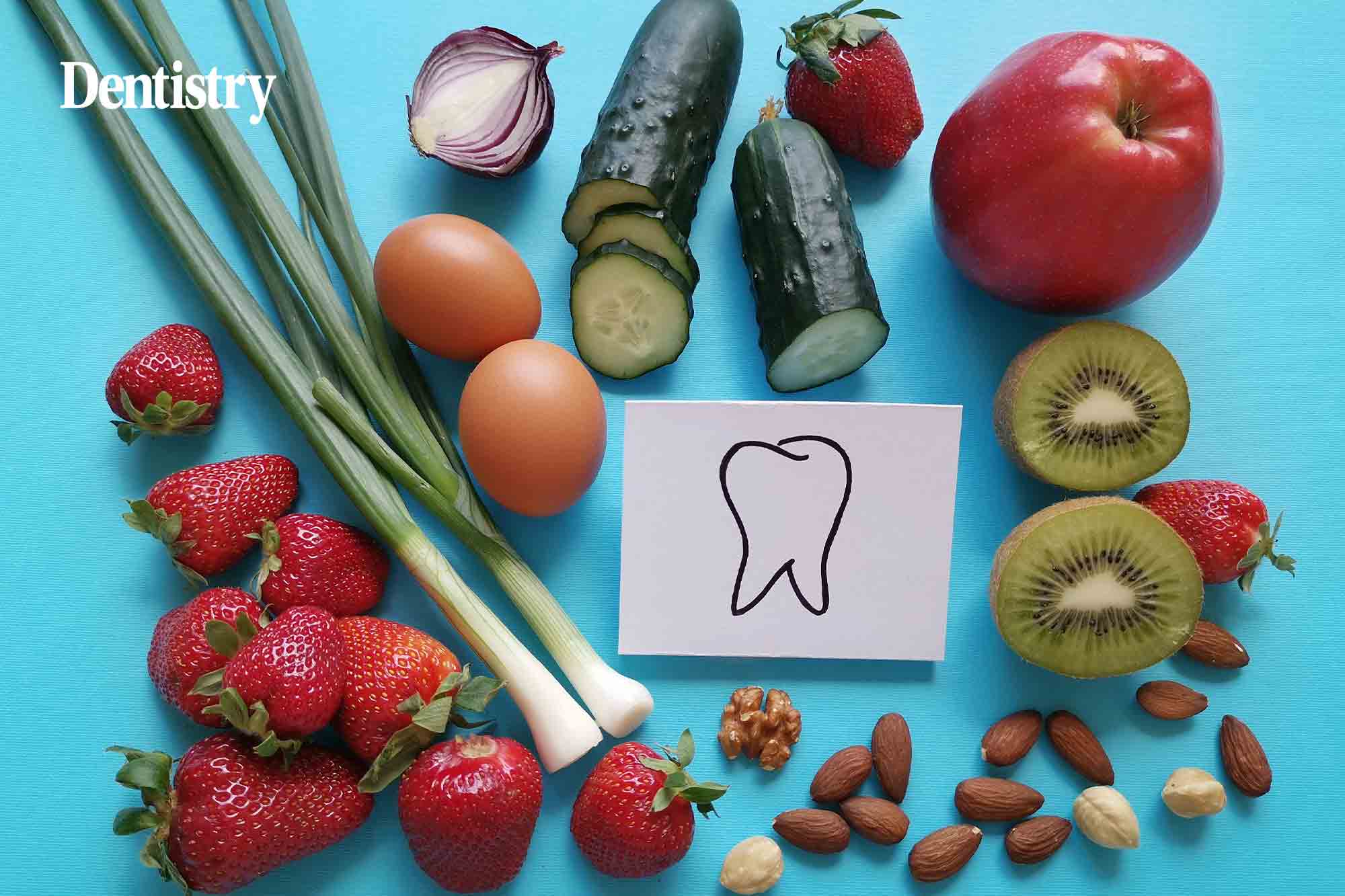
Your teeth do not stand alone. What you and your family eat shapes every checkup, every filling, and every smile. Preventive family dentistry is not just cleanings and x rays. It starts at your table. Sugar, acidic drinks, and constant snacking weaken enamel and feed the bacteria that cause cavities and gum disease. In contrast, simple choices like water, crunchy vegetables, dairy, and whole grains help protect teeth and gums. A Vancouver dentist can clean and repair, but daily food choices decide how often you need treatment and how fast problems return. This blog explains how nutrition works with regular checkups and home care. You will see how to plan meals that support strong teeth for you, your children, and older family members. Small changes in your kitchen can lower pain, cost, and stress at the dental office.
How Food Affects Teeth Every Single Day
Each snack and drink touches your teeth. It either helps or harms. There is no neutral choice. You see this in three simple ways.
- Sugar feeds mouth bacteria that cause cavities.
- Acid softens enamel and makes it easier to damage.
- Protective foods help rebuild and clean the surface.
When you eat sugar, bacteria produce acid. That acid attacks enamel for about 20 minutes after each bite or sip. Frequent snacking keeps your mouth in a cycle of attack. Teeth do not get time to recover. Over months or years, small attacks turn into cavities, broken fillings, and gum problems.
In contrast, when you drink water, chew firm vegetables, or eat dairy, you help wash away food, bring more saliva, and supply calcium and other minerals. That support lets enamel repair tiny weak spots before they turn into holes.
Key Nutrients For Strong Family Teeth
Your mouth needs steady support. Three nutrients matter the most.
- Calcium builds and maintains enamel and jaw bone. You get it from milk, yogurt, cheese, fortified plant drinks, tofu, and some leafy greens.
- Vitamin D helps your body use calcium. You get it from safe sun, fortified milk, eggs, and some fish.
- Phosphorus works with calcium to rebuild enamel. You get it from meat, beans, nuts, and seeds.
The Centers for Disease Control and Prevention explains that strong teeth lower your risk of pain, missed school, and missed work. You protect your family when you plan meals that support tooth strength along with body health.
Best And Worst Foods For Family Oral Health
You do not need a complex plan. You need clear rules that you can follow on busy days. You can sort most foods into three simple groups.
| Food or Drink Type | Effect On Teeth | Simple Family Tip |
|---|---|---|
| Water | Rinses food, cuts acid, supports saliva | Serve with every meal and snack |
| Milk and plain yogurt | Provide calcium and protein | Offer as a drink or snack instead of soda |
| Crunchy fruits and vegetables | Help clean teeth and boost saliva | Add carrot sticks or apple slices to plates |
| Cheese | Neutralizes acid and gives minerals | Use as an end of meal snack |
| Sticky sweets like gummies or caramels | Stick to teeth and feed bacteria | Keep for rare treats and brush soon after |
| Sugary drinks like soda or sports drinks | Bathed teeth in sugar and acid | Limit to special days and use a straw |
| Frequent snacks like crackers and chips | Break to clingy starch that turns to sugar | Serve set snack times instead of grazing |
This table gives you clear choices. Water, dairy, and firm produce help. Sticky, sweet, and constant snacks hurt. You teach children with what you put on the table, not only with words.
Building A Dental Friendly Family Meal Plan
You can use the rule of three to plan each meal.
- First, choose a protein like eggs, beans, fish, or lean meat.
- Second, add a high fiber fruit or vegetable.
- Third, add a tooth friendly drink like water or milk.
For breakfast, you might serve scrambled eggs, whole grain toast, sliced fruit, and water. For lunch, you might pack turkey on whole grain bread, carrot sticks, cheese cubes, and a refillable water bottle. For dinner, you might cook chicken, brown rice, steamed broccoli, and serve milk.
For snacks, focus on three options. Cheese, nuts if safe for your child, and cut fruits or vegetables. You do not need a long snack list. You need a short list that you always keep ready.
Timing Matters As Much As Food Type
Your mouth needs rest between acid attacks. Constant nibbling keeps your teeth under stress. You can protect your family by setting simple rules.
- Keep clear meal and snack times.
- Offer only water between those times.
- Serve sweets right after meals, not alone.
When you give dessert with a meal, saliva is already flowing. That flow helps wash away sugar and acid faster. When you serve the same dessert as a stand alone snack, teeth sit in sugar with less natural protection.
Special Nutrition Tips For Children And Older Adults
Children, parents, and grandparents share the same home. Yet they face different mouth risks.
For children, baby teeth matter. They hold space for adult teeth and affect speech and growth. You can protect them by avoiding juice in bottles or sippy cups, skipping bedtime drinks that are not water, and serving small, set treats instead of daily candy.
For older adults, dry mouth, medication use, and sore gums can make eating hard. You can support them with soft but nutrient rich foods like yogurt, scrambled eggs, cooked vegetables, and soups that are not too hot. You can offer water often and talk with their dentist if dry mouth is strong or constant.
How Nutrition Fits With Regular Dental Visits
Nutrition does not replace cleanings and checkups. It works with them. The National Institute of Dental and Craniofacial Research explains that tooth decay is common and preventable. You lower risk when you combine three steps.
- Steady tooth friendly meals and snacks.
- Daily brushing with fluoride toothpaste and cleaning between teeth.
- Regular dental visits for exams, cleaning, and sealants when needed.
When your family eats in a way that supports teeth, your dentist can spot small problems early. Treatment stays simple. Cost stays lower. Pain stays rare.
Taking The Next Simple Step
You do not need a perfect diet. You need a clear next step that you can keep. You might switch soda to water at dinner. You might add one crunchy vegetable to each meal. You might move candy from daily to once a week. Each change gives teeth more strength.
Your kitchen is your first dental office. You protect your family with every grocery list, every lunch box, and every drink you pour. When you pair smart food choices with regular care from your dentist, you build smiles that last through childhood, work, and retirement.


