
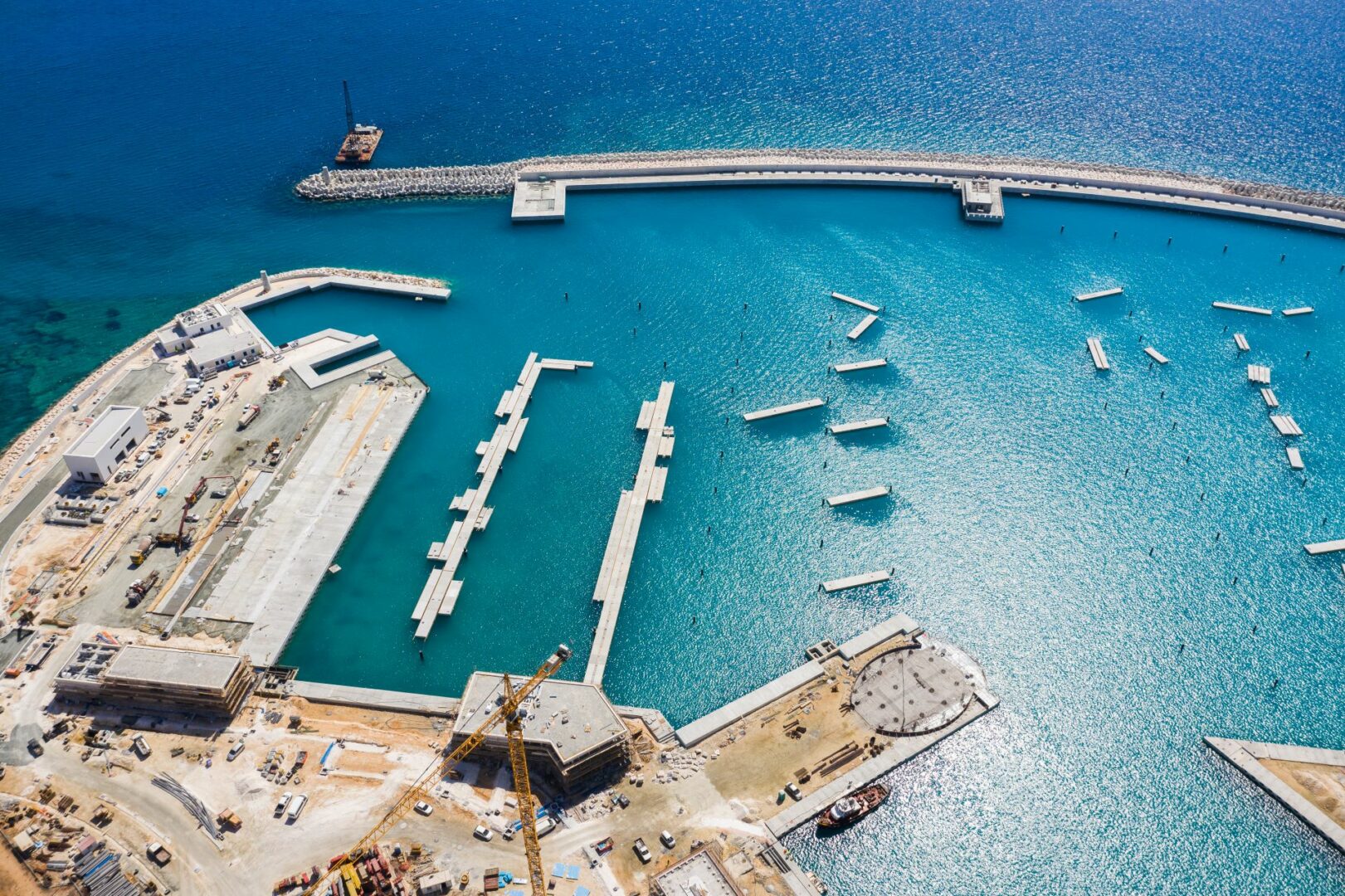
Construction on or near water rarely runs like work on dry land. The crew may be dealing with shifting weather, uneven access, vessel movement, submerged structures, diving work, material transport, and safety rules that change with the site conditions.
That is what makes maritime construction so different from standard building work. The project is not only about installing, repairing, or maintaining infrastructure. It is about coordinating people, vessels, materials, and inspections in an environment that keeps moving.
The Site Is Always Changing
A land-based site can change through the day, but a marine site adds another layer. Water levels, wind, current, visibility, boat wash, debris, and weather can all affect the work.
A calm morning does not guarantee a calm afternoon. A section that looked easy to reach during planning may become harder once the crew is on the water. These changes do not always stop the job, but they do need to be allowed for.
Good marine construction planning accepts that the site will not stay still. It builds in room for judgement, timing, and adjustment.
Access Comes Before Productivity
Before any productive work happens, the crew needs safe access. That may involve workboats, barges, pontoons, diving support, or smaller vessels that can move through tight areas.
Access is not just about getting workers to the site. They also need tools, materials, safety gear, communication equipment, and a way to leave if conditions change.
Poor access planning can waste a full shift. A crew may reach the area but not have the right platform. Materials may arrive but have nowhere stable to sit. Divers may be ready, but the surface support may not be set up properly.
The work starts properly only when access is sorted.
Materials Need a Water-Based Movement Plan
Marine construction often involves moving materials across water or along difficult edges. That can include signage, repair materials, tools, small structures, pipes, frames, inspection gear, or temporary work equipment.
Moving these items takes more thought than loading a ute or dropping supplies beside a building. The material has to be carried, secured, unloaded, and positioned without creating risk for the crew or the waterway.
A practical material plan looks at:
- What needs to be carried
- How many trips are realistic
- Whether a barge or workboat is needed
- Where materials will sit during the job
- How the crew will handle items safely
- What happens if wind or water movement changes
The fewer surprises here, the smoother the day becomes.
Divers Need Surface Support That Works
Underwater work can be a major part of marine construction. Divers may be needed for inspections, repairs, recovery, installation checks, or condition assessments.
The dive itself is only one part of the operation. The surface team needs to support entry and exit, monitor conditions, manage equipment, and keep communication clear. A poor surface setup can make even a small underwater task harder than it needs to be.
Divers also need accurate information before they enter the water. What are they looking for? What risks are present? Is there debris, poor visibility, moving water, or nearby vessel activity?
Marine construction is safer when the underwater and surface teams are working from the same plan.
Weather Decisions Should Be Made Early
Weather affects almost every marine job. Wind can move vessels, make positioning harder, and affect lifting or material handling. Rain can reduce visibility and change water conditions. Heat, cold, and storms can affect crew safety.
A good project does not wait until conditions become difficult. Weather needs to be checked before the day begins and monitored while work continues.
Sometimes the safest decision is to delay a task, change the sequence, or move to a different part of the job. That does not mean the project is poorly run. It means the crew is treating the environment with respect.
Small Coordination Gaps Can Create Big Delays
Marine construction often involves several groups working together. Vessel operators, divers, construction crews, inspectors, project managers, and land-based teams may all need to coordinate.
If one group does not know what the other is doing, the job slows down. Materials arrive at the wrong time. A vessel waits with no clear instruction. A dive team is ready before the surface setup is complete.
Clear communication keeps the job practical. It helps the crew know what is happening now, what happens next, and who needs space to work safely.
Conclusion
Safer marine construction depends on more than skilled trade work. It relies on access planning, vessel choice, material movement, diving support, weather awareness, and steady communication.
The water adds pressure, but it does not have to create confusion. When every part of the project is planned around the real conditions on site, marine construction becomes safer, cleaner, and easier for the crew to control.
