
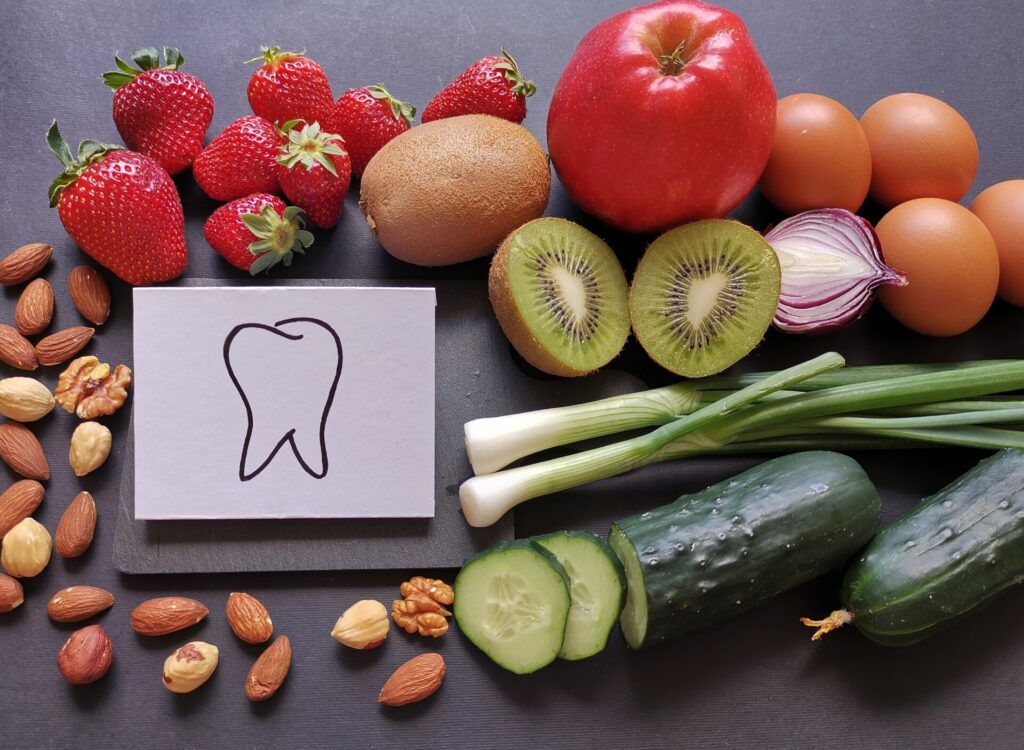
Your child’s smile depends on more than brushing. Food shapes teeth from the very first bite. Every snack, drink, and meal either strengthens enamel or slowly wears it down. Parents often focus on sugar, but hidden starches, acids, and constant snacking can hurt teeth just as much. This blog explains how simple food choices protect growing mouths and reduce pain, cavities, and fear of the dentist. You learn what to put on the plate, what to limit, and how to build habits your child can keep. You also see when nutrition is not enough and when you may need an emergency dentist in Joliet, IL. You deserve clear facts, not scare tactics. When you understand how nutrition shapes teeth, you can protect your child’s smile, support speech and learning, and lower dental bills. Strong teeth start at home, one meal at a time.
How Teeth Grow And Why Food Matters
Baby teeth start to form before birth. Permanent teeth form deep in the jaw for years. What your child eats during these years affects:
- How strong enamel becomes
- How deep and wide cavities grow
- How much pain your child feels during eating and brushing
Calcium, vitamin D, and phosphorus help build hard enamel. Sugars and acids help destroy it. That fight plays out every day. You cannot see it. Your child feels it later as holes, stains, and broken teeth.
The American Dental Association explains that teeth go through “acid attacks” for about 20 minutes after each sugary snack or drink. During that time enamel softens. Then saliva slowly repairs it. You can read more about this at the ADA MouthHealthy sugar and dental health page.
Foods That Protect Your Child’s Teeth
You do not need perfect meals. You need steady habits. Focus on three groups.
1. Strong-enamel foods
- Milk, cheese, and plain yogurt
- Fortified soy drinks
- Leafy greens such as spinach
- Canned fish with soft bones such as salmon
These foods give calcium and vitamin D. They help harden enamel and jaw bone. Cheese also helps neutralize acid. A small piece at the end of a meal can help teeth recover.
2. Crunchy, low-sugar snacks
- Apple slices
- Carrot sticks
- Celery with a thin spread of peanut butter
- Plain nuts if your child is old enough to chew them safely
These foods make your child chew more. That chewing boosts saliva. Saliva washes away food and helps repair enamel.
3. Water as the main drink
Plain water should be the default. If your tap water has fluoride, it gives extra protection. The Centers for Disease Control and Prevention explains how community water fluoridation cuts cavities in children. You can see that data on the CDC community water fluoridation page.
Foods And Drinks That Harm Teeth
You do not need to ban treats. You do need to know which ones cause the most harm and how to limit them.
Common Choices And Their Impact On Children’s Teeth
| Item | Main Risk For Teeth | Better Choice |
|---|---|---|
| Soda or sports drinks | High sugar and acid. Long acid attacks. | Water or milk with meals |
| Fruit juice “pouches” | Sticky sugar coats teeth. | Whole fruit and water |
| Gummy snacks and fruit leather | Clings in grooves. Hard to brush off. | Fresh fruit slices |
| Crackers and chips | Starches turn to sugar. Pack into teeth. | Carrots or nuts if safe |
| Sticky candies like caramels | Stay on teeth for hours. | Chocolate that melts and rinses away |
Frequency matters more than size. A single piece of cake with a meal is less harmful than a whole day of sipping juice. Each sip or bite restarts the acid attack.
Smart Eating Routines That Guard Smiles
You shape risk through routine. Three simple steps protect teeth.
1. Set regular meal and snack times
- Offer food every 3 to 4 hours during the day
- Avoid constant grazing
- Keep water open between meals
This pattern gives teeth time to recover between acid attacks.
2. Limit sugar to special moments
- Keep sweet drinks and candy for planned treats
- Serve them with meals instead of alone
- Offer water after the treat to help rinse the mouth
When treats are predictable, your child stops begging. You keep control of timing. Teeth stay safer.
3. Link food with brushing
- Brush twice a day with fluoride toothpaste
- Brush before bed after the last food or drink that is not water
- Help your child brush until at least age 7 or 8
Nighttime brushing matters most. During sleep saliva flow drops. Any sugar left on teeth can do more damage.
Special Concerns For Babies And Toddlers
Early habits leave deep marks. You can prevent tooth pain in very young children.
- Avoid putting a baby to bed with a bottle of milk or juice
- Use only water in sippy cups between meals
- Wipe gums with a clean cloth before teeth appear
- Start brushing as soon as the first tooth appears
“Baby bottle tooth decay” can lead to broken front teeth, trouble eating, and speech problems. Nutrition and bottle use together create that damage. You can stop it with clear rules about what goes in the bottle and when.
When Nutrition Is Not Enough
Even strong diets cannot fix every risk. Your child still needs:
- Regular dental checkups and cleanings
- Fluoride treatments if the dentist suggests them
- Sealants on back teeth to block food from deep grooves
Seek urgent help if you see:
- Swelling of the face or gums
- Tooth pain that wakes your child at night
- A broken tooth from a fall or hit
- A dark or gray tooth after an injury
These signs point to infection or injury that food choices alone cannot fix. Quick care can save the tooth and ease fear.
Putting It All Together For Your Child
You do not need special products or fancy recipes. You need clear rules and steady support.
- Serve water, milk, and whole foods most of the time
- Keep sweets and sugary drinks for rare, planned moments
- Protect teeth with brushing, fluoride, and regular checkups
Nutrition sets the base for every smile. With each meal you either protect enamel or invite decay. Your choices today spare your child from pain, missed school, and long hours in the chair tomorrow.


