
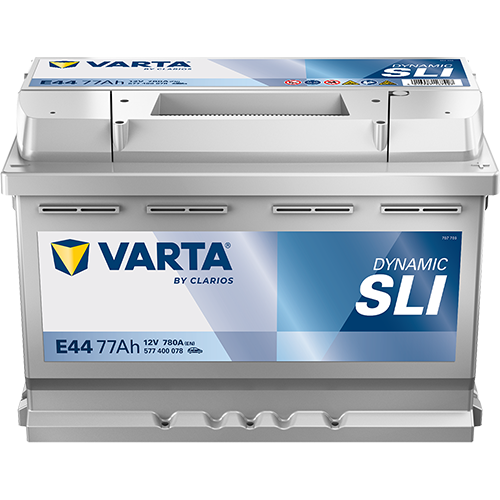
When it comes to keeping your vehicle operating reliably, choosing the correct battery is essential. The battery supplies the electrical energy needed to start the engine and helps support the growing number of electronic systems found in modern vehicles.
A weak, incorrectly specified or poorly installed battery can cause more than an inconvenient no-start situation. Depending on the vehicle, it may also contribute to warning messages, unreliable stop-start operation and other electrical problems.
Among the widely recognised names in automotive batteries, Varta offers conventional flooded, Enhanced Flooded Battery and Absorbent Glass Mat options for different vehicle requirements. However, choosing a battery should never be based on the brand or physical dimensions alone.
The appropriate Varta batteries will depend on the vehicle’s make, model, engine, original battery technology, electrical equipment and battery-management requirements.
This guide explains the main types of Varta automotive batteries, why correct compatibility matters and what drivers should consider before arranging a replacement.
What Is a Varta Battery?
Varta is an established automotive battery brand offering products for passenger vehicles, commercial vehicles and other motoring applications. Varta Automotive batteries are manufactured and distributed by Clarios, which is separate from Varta AG. 【2-2a3f51】【3-a1a29a】
The automotive range covers different battery technologies designed for varying electrical loads and vehicle systems. Depending on the application, these can include:
- Conventional flooded lead-acid batteries
- Enhanced Flooded Batteries, commonly known as EFB batteries
- Absorbent Glass Mat, or AGM, batteries
- Auxiliary batteries
- Commercial and recreational battery products
The Australian retailer’s Varta range includes conventional flooded, EFB and AGM battery models with different capacities, dimensions and Cold Cranking Amp ratings. Its collection page also identifies Varta as a major original-equipment battery supplier to European vehicle manufacturers. 【1-8432d3】
Original-equipment use does not mean that every Varta battery is suitable for every vehicle. The replacement still needs to match the requirements specified for the individual make, model and engine.
Why the Correct Car Battery Matters
A car battery is commonly associated with starting the engine, but its role extends further in many vehicles. It can also help support lighting, security functions, infotainment, climate controls, driver-assistance technology and onboard control systems.
Vehicles equipped with automatic stop-start systems place additional demands on the battery. The engine may stop when the vehicle is stationary and restart when the driver moves off, while electrical equipment continues operating during the stopped period.
Varta explains that stop-start vehicles require batteries capable of handling greater charge throughput, frequent engine starts and continued electrical demand while the engine is off. EFB and AGM batteries are designed for these operating conditions. 【4-7b2f6e】【5-7e1dad】
Installing a battery with insufficient capacity or the wrong technology can affect how well the vehicle’s electrical and charging systems operate. For this reason, replacement selection should follow the vehicle manufacturer’s specifications rather than price or physical fit alone.
Types of Varta Automotive Batteries
Conventional Flooded Batteries
Conventional flooded lead-acid batteries are commonly used in vehicles without automatic stop-start systems. They are designed primarily to provide the starting power required by vehicles with standard electrical demands.
The linked Australian collection describes Varta’s conventional lead-acid range, including Silver Dynamic and Blue Dynamic batteries, as being intended for vehicles without stop-start systems. 【1-8432d3】
A conventional battery may be appropriate when:
- The vehicle was originally fitted with conventional flooded technology
- The vehicle does not use an automatic stop-start system
- The capacity and starting-power specifications match the manufacturer’s requirements
- The dimensions, terminal layout and mounting system are correct
A conventional battery should not be selected merely because it fits within the battery tray. A stop-start vehicle originally designed for EFB or AGM technology may require the same technology when the battery is replaced.
Varta EFB Batteries
EFB stands for Enhanced Flooded Battery. It is a development of conventional flooded battery technology designed to withstand greater cycling demands.
According to Varta’s technical guidance, EFB batteries are suitable for vehicles with simpler automatic stop-start systems. They may also be used in certain vehicles without stop-start functionality that have demanding operating conditions or extensive electrical equipment. 【4-7b2f6e】
EFB batteries can be relevant for:
- Vehicles with entry-level stop-start systems
- Regular urban or stop-start driving
- Vehicles with greater cycling requirements than conventional batteries can support
- Applications where EFB technology is specified by the manufacturer
Drivers should verify the exact specification before purchase. Not every stop-start vehicle uses EFB technology, and an EFB battery should not automatically replace an AGM battery simply because both are used in stop-start applications.
Varta AGM Batteries
AGM stands for Absorbent Glass Mat. In this battery design, the electrolyte is held within an absorbent glass-fibre material rather than moving freely as liquid inside the case.
Varta identifies AGM batteries as suitable for vehicles with advanced automatic stop-start systems, braking-energy recuperation, premium equipment or demanding electrical accessories. The company also describes AGM batteries as having strong cold-start characteristics and greater cycle stability than conventional starter batteries. 【4-7b2f6e】
AGM batteries may be required for:
- Advanced stop-start vehicles
- Vehicles with braking-energy recovery
- Cars with high electrical demands
- Premium vehicles containing extensive electronic equipment
- Vehicles originally fitted with AGM technology
If a vehicle was originally equipped with an AGM battery, the replacement should meet the required specification. The linked retailer specifically advises customers not to select a conventional battery based only on its physical size when the original battery is AGM. 【1-8432d3】
Why Drivers Consider Varta Batteries
Options for Different Vehicle Technologies
The Varta automotive range includes multiple battery technologies rather than a single general-purpose product. This gives drivers access to conventional, EFB and AGM options for vehicles with different charging systems and electrical demands. 【1-8432d3】【4-7b2f6e】
The benefit of this range depends on correct selection. A more expensive battery is not automatically the best option if it does not meet the vehicle’s specifications.
Support for Stop-Start Systems
Automatic stop-start technology can repeatedly switch the engine off and restart it during a journey. At the same time, the battery may need to continue supplying power to onboard electronics while the engine is stopped.
Varta states that its Dynamic EFB and Dynamic AGM batteries are designed for these demands, with the suitable technology depending on the vehicle’s stop-start and electrical systems. 【5-7e1dad】
Starting Performance
Cold Cranking Amps, usually abbreviated to CCA, indicate a battery’s ability to provide starting current under the applicable test conditions. The correct CCA requirement varies between vehicles and engines.
The linked Australian Varta collection includes batteries with different CCA and reserve-capacity specifications, reinforcing the need to identify the correct model rather than choosing by brand alone. 【1-8432d3】
A battery with an unsuitable specification may not provide the performance expected by the vehicle manufacturer. The replacement should satisfy the required battery technology, capacity and starting-power criteria.
Original-Equipment Presence
The linked retailer states that Varta is a major original-equipment battery supplier to European manufacturers, including BMW, Mercedes-Benz, Audi, Volkswagen, Porsche, Land Rover and Volvo. 【1-8432d3】
Original-equipment presence can make Varta a familiar option for owners of European vehicles. However, ownership of one of these brands does not determine the exact replacement battery. Different models, engines, production years and equipment levels can require different battery sizes and technologies.
What to Check Before Buying a Varta Battery
Battery compatibility involves more than matching the length and width of the existing unit. Before purchasing a replacement, check the following factors.
Battery Technology
Confirm whether the vehicle requires a conventional flooded, EFB or AGM battery. If AGM or EFB technology was originally specified, avoid downgrading to a conventional battery without qualified advice and manufacturer support.
Physical Dimensions
The replacement must fit securely in the battery tray. Length, width and height all matter, as does the position and design of the hold-down system.
Terminal Position and Polarity
The positive and negative terminals must be located correctly for the vehicle’s cables. A battery with reversed terminal positions may not be suitable even when the case dimensions appear identical.
Capacity
Battery capacity is commonly expressed in amp-hours, or Ah. The correct capacity should align with the vehicle manufacturer’s specification and the operation of the charging system.
Cold Cranking Amps
The CCA rating should meet the vehicle’s starting requirements. Selecting a battery solely because it has a high CCA figure overlooks other important factors such as technology, size and charging-system compatibility.
Start-Stop Compatibility
If the vehicle has an automatic stop-start system, identify whether it requires EFB or AGM technology. These technologies are not interchangeable in every application.
Battery-Management Requirements
Some modern vehicles use a battery-management system that monitors battery condition and charging. The retailer notes that some vehicles may require battery registration or resetting after replacement. 【1-8432d3】
These requirements vary by vehicle, so they should be confirmed before installation.
Is a Varta Battery Suitable for Your Vehicle?
A Varta battery may be worth considering if the range contains a model that matches the manufacturer’s specification for your vehicle.
It may be relevant if you:
- Drive a vehicle originally fitted with a compatible Varta battery
- Own a European vehicle with specific battery requirements
- Drive a vehicle with automatic stop-start technology
- Require an AGM or EFB battery
- Operate numerous electrical accessories
- Want a replacement that meets the specified capacity and starting requirements
The brand name should not be the deciding factor on its own. Suitability depends on whether the exact battery matches the vehicle’s engine, electrical system, charging strategy, physical fitment and manufacturer requirements.
Common Signs That a Car Battery May Need Attention
Battery problems can appear through several symptoms, including:
- The engine cranks more slowly than usual
- The engine does not start
- Dashboard or electrical systems behave inconsistently
- The stop-start function becomes unavailable
- The battery or charging warning light appears
- Headlights appear unusually dim
- The vehicle needs repeated jump-starts
- The battery case appears swollen, cracked or damaged
These symptoms do not prove that the battery itself has failed. Similar issues can be caused by the alternator, starter motor, damaged cables, loose connections, excessive electrical drain or another vehicle fault.
A battery and charging-system test can help determine whether replacement is necessary. This is preferable to replacing the battery based on symptoms alone.
Why Professional Battery Installation May Matter
Replacing a battery in an older, mechanically simple vehicle may appear straightforward. The process can be more involved in a modern car equipped with sensitive electronics, a battery-management system or stop-start functionality.
Depending on the vehicle, installation may need to account for:
- Correct disconnection and reconnection procedures
- Preservation of vehicle settings
- Secure mounting and terminal connections
- Battery registration or system resetting
- Correct venting arrangements
- Safe removal and recycling of the old battery
The linked retailer states that some vehicles require battery registration or resetting and offers professional fitting in eligible Australian metropolitan areas. 【1-8432d3】
If the vehicle has specific programming or battery-management requirements, professional installation can help ensure that the correct procedures and equipment are used.
Battery Registration and Resetting
Some vehicles monitor battery capacity, age and state of charge. When a new battery is installed, the vehicle may require a registration or reset procedure so its control system recognises the replacement.
This procedure is not required for every vehicle. Whether it applies depends on the make, model and battery-management system. The replacement battery may also need to match the technology and capacity entered into the vehicle’s system.
Ask the installer whether the vehicle requires registration, adaptation or resetting and whether that work is included in the quoted fitting service.
Looking After Your Car Battery
Although many modern automotive batteries require little routine attention, simple steps can help drivers identify problems and avoid unnecessary strain:
- Have the battery and charging system tested if starting performance changes
- Keep the battery securely mounted
- Arrange an inspection if terminals appear loose or heavily corroded
- Avoid leaving lights and accessories operating when the engine is off
- Investigate repeated flat-battery incidents rather than relying on jump-starts
- Follow the vehicle manufacturer’s maintenance recommendations
Drivers should avoid touching damaged batteries or attempting repairs without suitable equipment. Automotive batteries contain hazardous materials and can produce high electrical currents.
Questions to Ask Before Purchasing
- Is this exact battery compatible with my make, model and engine?
- Does my vehicle require conventional, EFB or AGM technology?
- Does the battery meet the required capacity and CCA specifications?
- Are the dimensions, mounting system and terminal positions correct?
- Does my vehicle require battery registration or resetting?
- Is professional installation included?
- What warranty applies to the battery and installation?
- Will the old battery be removed for recycling?
Obtaining clear answers before purchasing can reduce the risk of ordering an incompatible product or facing unexpected installation costs.
Choosing the Right Varta Battery
Varta offers automotive batteries for different vehicle types and electrical demands, including conventional flooded, EFB and AGM products. This range gives drivers options for standard vehicles, automatic stop-start systems and cars with more demanding electrical equipment. 【1-8432d3】【4-7b2f6e】
However, the best battery is not simply the most powerful or expensive product available. It is the battery that satisfies the manufacturer’s requirements for technology, capacity, CCA, dimensions, terminals and battery-management compatibility.
Before ordering, use a reliable vehicle-compatibility tool or consult a qualified battery specialist. If the vehicle requires registration, resetting or other installation procedures, confirm that these are included.
With the correct product selection and installation, a compatible Varta battery can provide the starting and electrical support expected by the vehicle’s systems.
This article provides general information only. Battery specifications and replacement procedures vary between vehicles. Consult the vehicle owner’s manual, manufacturer information or a qualified battery professional before purchasing or installing a replacement. Automotive batteries should be handled carefully and recycled through an appropriate collection or service provider.


