
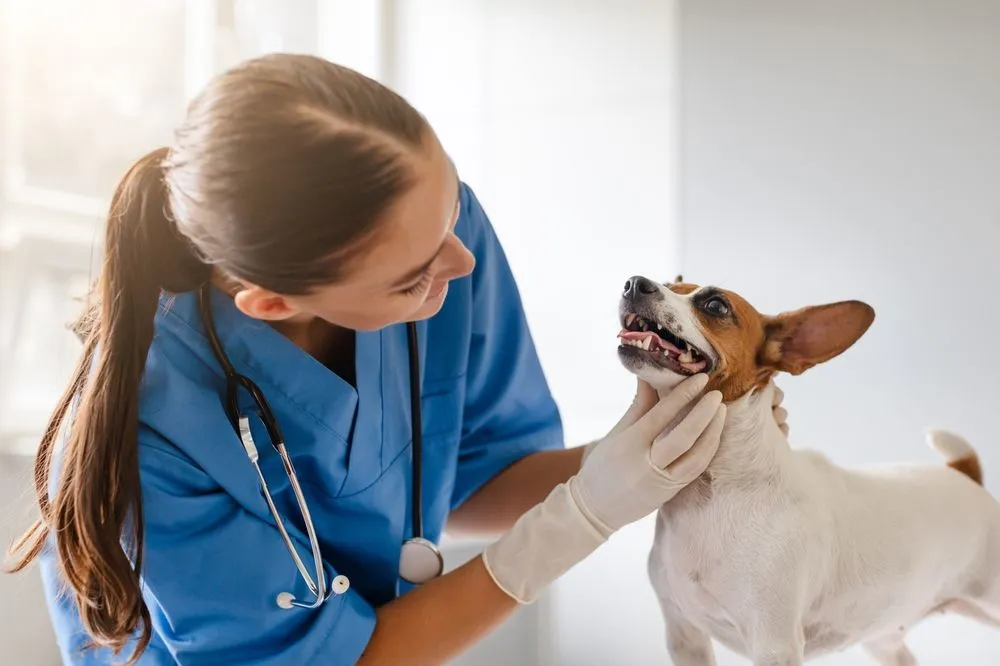
You may have noticed the small signs first. Bad breath that seems stronger than usual. A pet who still runs to the food bowl but chews on one side, drops kibble, or pulls away when you touch the mouth. It is easy to brush this off because dogs and cats are good at hiding pain, and daily life is already full enough without trying to inspect teeth between work, errands, and everything else. With Brandon veterinary care, we understand how easy it is for these subtle signs to be missed.
The hard part is that dental disease rarely stays small. Mouth pain can affect eating, sleep, mood, and behavior, and untreated infection can spread beyond the teeth and gums. Pet dental care is not cosmetic care. It is basic medical care that protects comfort, nutrition, and long term health.
Dental disease in pets builds quietly and causes more harm than most owners expect
Plaque starts forming on teeth quickly. If it is not removed, it hardens into tartar, gums become inflamed, and bacteria settle below the gumline where you cannot see them. That is often when owners feel confused. A pet may still seem happy, still eat treats, and still greet you at the door. Meanwhile, the mouth is sore every day.
This is why veterinary dental care matters so much. A painful mouth changes behavior in subtle ways. Some pets stop playing with chew toys. Some become irritable. Some start eating less dry food and wait for softer options. Cats may groom less. Dogs may paw at the mouth or rub their face on the carpet. The pattern is easy to miss until the disease is advanced.
According to Texas A&M Veterinary Medicine, dental disease is one of the most common health problems seen in pets, and it can affect major organs when bacteria enter the bloodstream. Their overview of why pet dental care is important explains the link between oral disease and wider health problems in a clear, grounded way.
Cost is part of the stress for many families, and that concern is real. Preventive cleanings and exams can feel easy to postpone when your pet seems mostly fine. The trouble is that delay often leads to extractions, advanced treatment, pain medication, and a harder recovery. A small problem in the mouth becomes a much larger medical bill because it had time to deepen.
There is also the anesthesia worry. Many owners get stuck there. They know something is wrong, but they fear the cleaning itself. That fear makes sense. Even so, a proper dental procedure in general veterinarian practice is designed to be thorough and safe, with an oral exam, scaling above and below the gumline, and treatment based on what is actually found. Rowan University’s report on pet dental health and veterinary dentistry highlights how modern veterinary dentistry focuses on both prevention and effective treatment, not just removing visible tartar.
General veterinarian visits catch oral problems before they turn into chronic pain
Routine exams do more than check vaccines or refill preventives. They create a record of what your pet’s mouth looked like last year, what changed this year, and whether a mild issue is becoming a serious one. That kind of tracking matters because gum disease is progressive. Once the tissues supporting the teeth are damaged, home care alone cannot reverse it.
A general veterinarian also helps separate normal aging from dental pain. An older dog slowing down may not just be getting old. A cat avoiding dry food may not be picky. Mouth pain can hide behind habits that look harmless at first. The University of Georgia’s page on pet dental care points out that professional exams and cleanings are a central part of preventing disease and preserving quality of life.
Animal dental health also affects the human side of the relationship. When a pet is uncomfortable, daily routines change. Mealtimes take longer. Medication becomes harder. Snuggling gets awkward because of bad breath or a sore face. You may sense something is off without knowing exactly what. That low level worry wears on people, especially when they are trying to do the right thing and do not want to miss a problem.
Home care and professional dental treatment do different jobs
| Approach | What It Helps With | Limits | Best Use |
| Tooth brushing at home | Reduces daily plaque buildup, supports gum health, freshens breath | Does not remove tartar below the gumline or treat infected teeth | Daily prevention between veterinary visits |
| Dental chews and approved oral products | May lower plaque and tartar in some pets | Results vary, not a substitute for exams or cleanings | Supportive care for pets who tolerate them well |
| Professional dental cleaning with a general veterinarian | Removes plaque and tartar above and below the gumline, allows full oral exam and treatment planning | Requires scheduling, cost, and anesthesia in many cases | Diagnosis, treatment, and prevention of progressive dental disease |
| Waiting until symptoms are obvious | No short term effort or expense | Higher risk of pain, infection, tooth loss, and larger treatment costs later | Usually leads to more complicated care |
That contrast matters because many owners are doing something at home and hoping it is enough. Home care is helpful. It is just not the same as medical dental treatment. If a pet already has gum disease, brushing the visible tooth surface will not reach the deeper pockets of infection.
Three steps you can take now to protect your pet’s dental health
1. Look for behavior changes, not just dirty teeth. Watch for bad breath, dropping food, chewing on one side, reluctance to eat hard food, face rubbing, less grooming, irritability, or avoiding mouth contact. These signs often show up before owners see major tartar.
2. Book an oral exam with your general veterinarian. A basic exam gives you a clearer picture of whether your pet needs monitoring, home care changes, or a professional cleaning. It also helps you plan costs before the issue becomes urgent.
3. Start a realistic home routine. Daily brushing is ideal, but even a few consistent sessions each week are better than doing nothing and feeling guilty. Use pet safe toothpaste only, go slowly, and ask your veterinary team which products make sense for your pet’s age and temperament.
Protecting your pet’s mouth protects their comfort, health, and daily life
Dental disease can be easy to miss and hard to think about, especially when your pet still seems mostly like themselves. That does not mean the pain is minor. Good veterinary care treats the mouth as part of the whole body, because it is. When dental problems are found early, treatment is simpler, recovery is easier, and your pet gets back to eating, playing, and resting without that constant ache.
If your pet has bad breath, eating changes, or signs of mouth discomfort, schedule a dental exam with a general veterinarian and get a clear plan for what comes next.
