
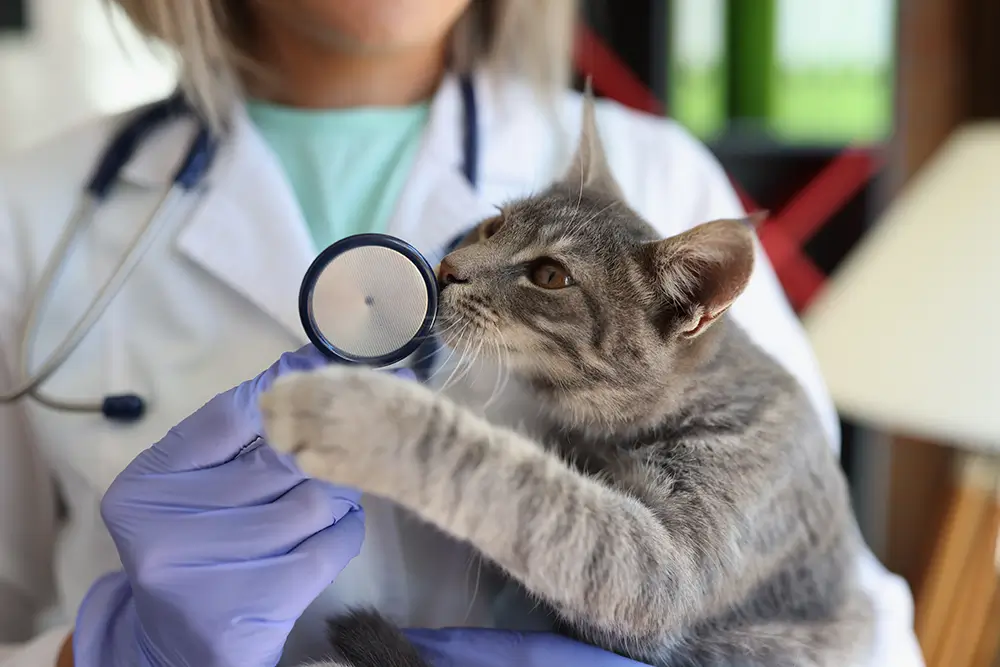
A visit to the vet often scares pets and drains you. You see the shaking legs. You hear the desperate cries from the lobby. You feel the guilt when you hand over the leash or carrier. Many clinics now use Fear Free methods to change that experience. These methods focus on easing your pet’s fear, stress, and struggle at every step. You see quieter waiting rooms. You notice softer handling. You hear calmer voices. A Dallas veterinarian using Fear Free care might schedule longer visits, use gentle handling, and offer treats or toys to build trust. Other clinics follow this same model. They see fewer bites and scratches. They see more accurate exams. They see pets that stop fighting the door. Fear Free practices are spreading because they protect your pet’s body, protect your pet’s mind, and protect your bond with your pet.
Why fear hurts your pet’s health
Fear does more than cause a bad visit. It harms your pet’s health. When your pet feels fear, the heart rate climbs. Muscles tense. Breathing changes. That stress can hide real problems during the exam. It can also raise blood pressure and blood sugar.
The American Veterinary Medical Association explains that fear and stress can change lab results and raise the risk of injury to pets and staff. Fear Free care tries to cut this stress so exams and tests match your pet’s true health.
When fear keeps growing, many families start to avoid visits. You might push off vaccines. You might skip dental checks. You might ignore small changes in eating or behavior. Then simple problems grow into big crises. Calm visits support early care and faster treatment.
How Fear Free practices work in the clinic
Fear Free care uses small steps that add up. You will notice changes before you even walk into the exam room.
Common Fear Free steps include:
- Separate waiting spaces for dogs and cats
- Soft mats or blankets on cold tables
- Slow, quiet handling with patient movements
- Use of treats or toys during exams and shots
- Permission for you to stay close and comfort your pet
- Use of calming scents or music to soften noise
The goal is simple. Your pet should feel safe. Your pet should feel some control. Your pet should link the clinic with care, not pain.
What this means for you and your family
Fear Free care does not just help pets. It also helps you. You carry the stress of each visit. You plan the trip. You manage the car ride. You hold the leash or carrier. When your pet panics, you often leave the clinic shaken and drained.
With Fear Free methods, you gain three clear benefits.
- You feel less guilt. You see your pet take treats and relax more.
- You gain clearer answers. Your pet’s calm body gives better exam findings.
- You keep a stronger trust. Your pet does not learn to fear you for bringing them in.
That trust matters for children as well. A calm clinic shows children that care is gentle and safe. It teaches respect for animals and for health visits.
Why more clinics are making the change
Many clinics once accepted fear as normal. Staff expected scratches and bites. Pets fought, hid, or froze. Now more research shows that gentle handling and calm methods protect everyone.
Veterinary teams report three strong reasons to shift to Fear Free care.
- Fewer injuries to staff and pets
- Better exam quality and more accurate tests
- Stronger relationships with families who return on time
The shift also matches guidance from groups like the Centers for Disease Control and Prevention, which stress safe animal handling to lower injury risk in workplaces. You can see related worker safety guidance at the CDC NIOSH site at CDC animal care safety.
Fear Free versus traditional visits
The table below compares common parts of a traditional visit and a Fear Free style visit. Each clinic is unique. Still, this gives you a clear picture of what to expect.
| Visit Step | Traditional Style | Fear Free Style |
|---|---|---|
| Waiting room | Crowded lobby. Pets sit close. Noise is loud. | Quieter space. Dogs and cats are kept apart when possible. |
| Check in | Rushed questions. Little focus on stress signs. | Staff ask about fear signs and past visits. |
| Handling | Firm restraint. Quick movements. | Gentle holds. Slow steps. Breaks when needed. |
| Use of treats or toys | Used rarely or only after the exam. | Used from the start to build trust. |
| Exam time | Short visit. Focus on finishing fast. | Longer visit if needed, so your pet can relax. |
| Plan for next visit | Little guidance on fear at home. | Tips for travel, handling, and home training. |
How you can support Fear Free care
You play a key part in your pet’s stress level. You can start before the visit.
- Practice short car rides that end with play, not the clinic.
- Leave the carrier out at home with soft bedding and treats.
- Use a calm voice and steady breath as you handle your pet.
- Tell the clinic about past fears, bites, or hard visits.
During the visit, ask the staff what helps your pet. Ask if your pet can stay in your lap or on the floor. Ask if your pet can receive treats or toys. Clear talk builds a shared plan.
Choosing a clinic for your pet
When you look for a clinic, ask direct questions.
- How do you handle fearful pets
- Do you use Fear Free or low stress methods
- Can I stay with my pet during most care
- What do you do if my pet panics
Also, notice what you see and hear when you visit the lobby. You can learn a lot by watching one exam from the waiting room.
The path to calmer care
Fear Free practices are spreading because they work. They protect your pet’s body. They protect your pet’s mind. They protect your family’s trust in care. When you choose clinics that honor calm and kindness, you send a clear message. Your pet’s comfort matters. Your pet’s voice matters. Your bond deserves protection at every visit.

