
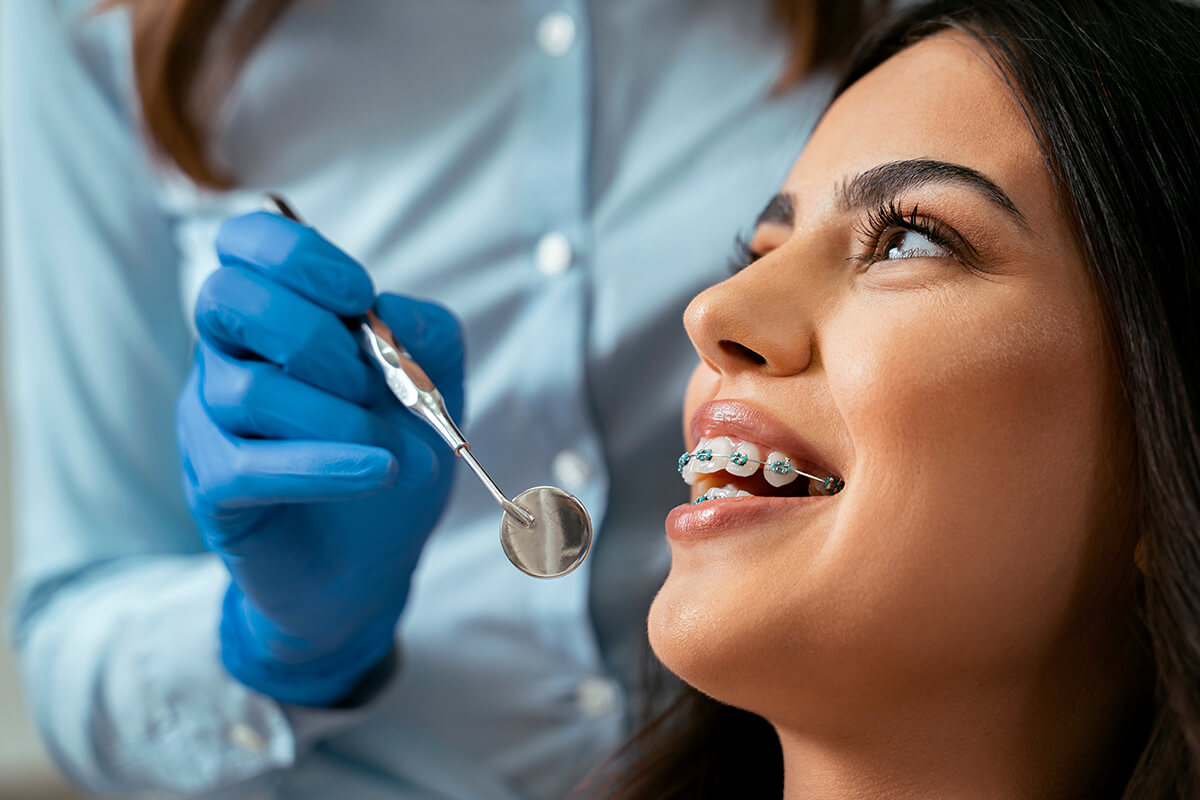
You see your patients often. You hear small worries before they grow into fear. That gives you rare power. Early orthodontic concerns hide in plain sight. Crowded teeth, crossbites, open bites, deep bites, and jaw growth problems often start quietly. You can spot them during routine exams. You can explain what they mean in simple words. You can guide parents and patients before pain, wear, or embarrassment begin. A dentist in Sherman Oaks sees these same patterns every week. You do too. You can use what you already know. You only need a clear list of what to watch for and how to respond. This blog walks through five common orthodontic concerns that show up early in your chair. It shows what to look for, what to say, and when to refer. It helps you protect function, confidence, and long term oral health.
1. Crowded Teeth
Crowding shows up early. You see rotated incisors, overlapping canines, and blocked out premolars. You also see plaque that sits between tight contacts. That raises risk for decay and gum disease.
Use three checks during every exam.
- Look for teeth that twist or overlap.
- Check for hard flossing or brushing paths.
- Note early wear on edges where teeth hit wrong.
Explain crowding in clear terms. Say that teeth need space so brushing works. Say that tight teeth trap food. Then link crowding to long term cost. Early referral can shorten treatment time and lower the need for extractions.
You can review growth and spacing guidance from the Centers for Disease Control and Prevention to support parent talks about timing and home care.
2. Crossbites
Crossbites can harm chewing and jaw joints. They can also change a child’s facial shape over time. You can catch them while the jaw is still growing.
Watch for three simple signs.
- Posterior crossbite where upper molars bite inside lower molars.
- Anterior crossbite where one or more upper incisors sit inside the lower.
- Functional shift when the patient closes and the jaw slides to one side.
Ask the child to close in their natural bite. Then guide them into centric relation. If you see a shift from one to the other, you likely see a developing crossbite. Explain that the jaw moves to “find” a bite. Say that this can strain joints and muscles.
Early expansion or limited appliances can correct many crossbites. Your early note can prevent uneven jaw growth and later surgery talks.
3. Open Bites
Open bites often link to habits. Thumb sucking, tongue thrust, and long-term pacifier use can pull front teeth apart. Even mild open bites can affect speech and chewing.
Use three quick tests.
- Ask the patient to bite on the back teeth. Look for a gap between the upper and lower front teeth.
- Check for tongue between teeth at rest or during swallow.
- Listen for lisping on “s” and “z” sounds.
Then talk about habits without blame. Say that the mouth learned a pattern. Say that you can help it learn a new one. You can suggest stopping thumb or pacifier use and refer to a speech therapist if needed. You can also refer to an orthodontist for early habit appliances.
The MedlinePlus tooth disorders page gives simple language you can share about how tooth position affects speech and chewing.
4. Deep Bites
Deep bites often look “straight” to parents. Yet you see a heavy overbite with lower incisors hidden. You may also see trauma to the palate or gum recession on lower incisors.
Check three things.
- How much of the lower incisors can you see in full closure?
- Palatal marks or wear from lower incisors.
- Flattened or chipped upper incisors.
Explain that teeth should meet in a balanced way. Say that a deep bite makes front teeth take too much force. Then connect deep bites to long-term cracking, root issues, and jaw strain. Early correction can spread forces and protect enamel. It can also improve smile line and lip support, which matters to teens who feel watched by peers.
5. Jaw Growth Problems
Jaw growth concerns often start long before the family sees them. You see them in profile views, midline shifts, and molar relationships.
During growth years, track three patterns.
- Class II pattern where the upper jaw sits forward of the lower.
- Class III pattern where the lower jaw sits forward of the upper.
- Facial asymmetry where the chin or nose does not line up with the midline of the teeth.
Take profile photos over time. Show parents small changes. Say that jaw bones grow most during childhood and early teens. Say that this window gives a chance to guide growth with orthodontic care. Late treatment may need surgery. Early referral can reduce that risk.
Simple Comparison of Concerns and Early Clues
| Concern | Easy Way To Spot It | Common Risk If Ignored |
|---|---|---|
| Crowded teeth | Overlapping or twisted teeth in front or back | Higher decay and gum disease from poor cleaning |
| Crossbite | Upper teeth bite inside lower teeth on one side or front | Jaw shift, joint pain, uneven facial growth |
| Open bite | Gap between front teeth when back teeth touch | Speech issues and chewing problems |
| Deep bite | Lower front teeth hidden by uppers in full closure | Tooth wear, gum trauma, possible joint strain |
| Jaw growth problem | Strong overjet, underbite, or facial asymmetry | Need for complex treatment or surgery later |
How You Can Act Now
You already have the tools. You have time in the chair, a mirror, and your voice. Use them in three steps.
- Screen for these five concerns during every recall visit.
- Document photos and simple notes on changes over time.
- Explain findings in plain words and refer early when you see risk.
You give patients something they cannot see in the mirror. You offer early warning and a path toward steady oral health. That quiet work protects smiles, joints, and confidence for years.

