
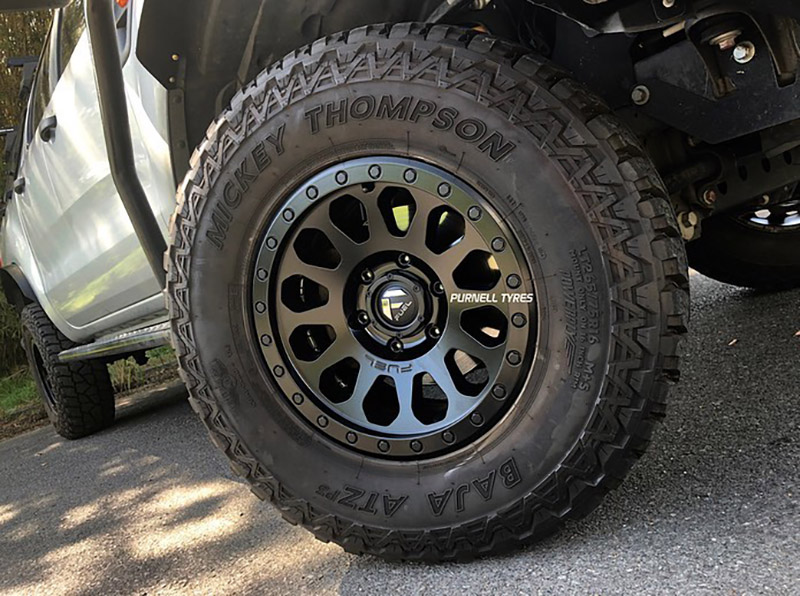
When it comes to off-roading in Australia, the right set of wheels can dramatically impact your vehicle’s performance, capability, and safety. From rugged outback trails to coastal sand dunes, choosing suitable 4×4 wheels involves careful consideration of several technical factors.
Material: Steel vs Alloy
Steel Wheels:
- Durability: Steel wheels offer superior toughness and are highly resistant to bending or cracking under heavy impacts. They’re ideal for harsh terrains or environments prone to hidden obstacles, such as rocky tracks in the Victorian High Country or corrugated roads in the Simpson Desert.
- Weight: Heavier weight can impact fuel efficiency and acceleration, but also aids stability and strength.
- Repairability: Steel wheels are easier to repair if bent or damaged, often fixable even in remote areas.
Alloy Wheels:
- Performance: Alloys are significantly lighter, improving handling, acceleration, and reducing fuel consumption.
- Heat Dissipation: Alloy wheels disperse heat better, beneficial for braking performance on long descents or hot environments.
- Corrosion Resistance: Superior resistance to rust and corrosion, important for coastal or humid regions.
Wheel Sizing Considerations
- Diameter and Width: Larger wheels improve ground clearance, but excessively large wheels reduce tire sidewall height, negatively impacting off-road performance by reducing shock absorption and sidewall flex, crucial for sand and rock crawling.
- Offset and Backspacing:
- Negative Offset: Wheels positioned further outward provide a wider track, increasing vehicle stability but potentially increasing stress on wheel bearings and suspension components.
- Positive Offset: Wheels positioned inward keep tires within guards, reducing strain on suspension and steering components but narrowing the vehicle’s stance and potentially reducing stability.
Tire Compatibility
The choice of tire is just as critical as the wheel itself:
- All-Terrain (A/T): Versatile, suitable for mixed on-road/off-road use. Ideal for general touring, occasional off-road challenges.
- Mud-Terrain (M/T): Aggressive tread patterns for better traction in mud, clay, and rocky terrains. Less ideal for extensive highway use due to noise and vibration.
- Sand Tires: Designed specifically with wider, flexible sidewalls and shallow treads to prevent sinking in soft sand, crucial for extensive beach driving.
Load Rating and Safety
Always match your wheels’ load rating with your vehicle’s Gross Vehicle Mass (GVM). Overloading wheels leads to structural failure and significant safety risks. Check vehicle manuals and wheel specifications carefully.
Maintenance and Care
- Regular Inspection: Examine wheels for cracks, bends, or corrosion, especially after challenging terrains.
- Proper Torque Settings: Wheels must be torqued correctly to manufacturer specifications. Incorrect torque leads to wheel damage or loss.
- Tire Pressure Management: Regularly adjust tire pressures for specific terrains—lower pressures for sand or rocky trails, higher for highway driving.
Conclusion
Selecting the appropriate 4×4 wheels for Australian conditions requires balancing technical specifications, materials, and intended usage. By carefully considering factors such as wheel material, size, offset, and tire compatibility, you can enhance your vehicle’s performance, safety, and reliability, enabling you to confidently tackle Australia’s diverse off-road environments.


