
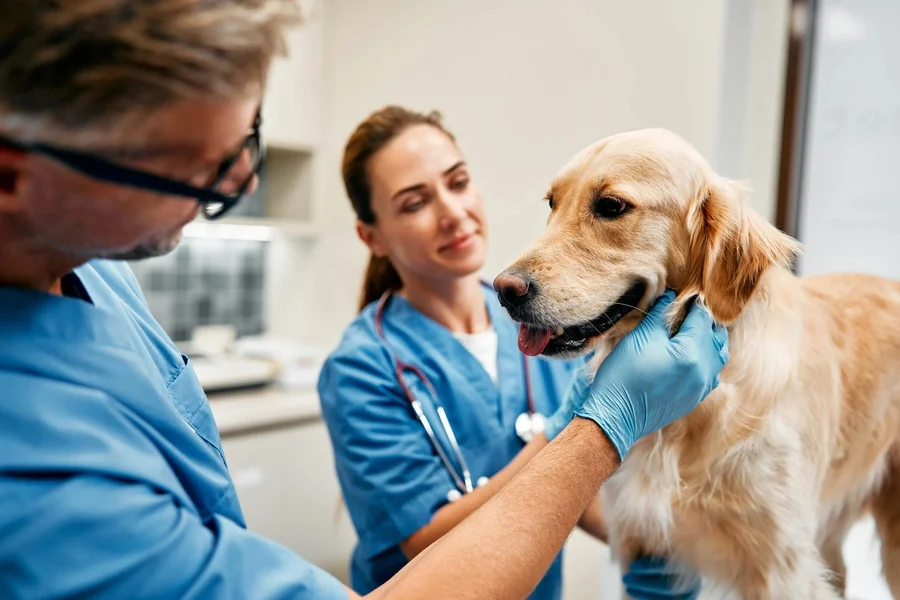
You might be feeling caught in a storm right now. Your pet was doing fine, then something changed. Maybe your regular veterinarian at Bartlett animal hospital found a worrying lump, a heart murmur, strange seizures, or bloodwork that “just doesn’t look right.” Now you are hearing words like “referral,” “internal medicine,” or “board-certified surgeon,” and it all feels big and scary.end
That reaction is completely normal. When your animal needs more than routine care, it can feel like you are being pushed into a maze of new doctors, new costs, and unfamiliar places. At the same time, you know you would rather be overly cautious than wish you had done more. This tension is exactly where many pet owners find themselves when an animal hospital suggests working with a specialist.
The good news is that modern veterinary medicine is built for these moments. How animal hospitals partner with specialists for complex cases is not an accident. It is a system designed so your regular vet stays in the picture while specialist teams add extra eyes, advanced tools, and deep experience with rare or severe problems. In simple terms, your pet gets a care team instead of just one doctor.
So how does that actually work, and what does it mean for you and your pet in real life?
Why would my animal hospital involve a specialist at all?
It often starts with a feeling that something is beyond “everyday” veterinary care. Your primary vet can handle vaccines, ear infections, minor injuries, and many surgeries. But when things get complicated, the risk of guessing wrong becomes too high.
Imagine a dog with repeated vomiting and weight loss. Your vet tries diet changes and basic tests, but nothing explains it. At this point, the options are limited. Either your vet keeps trying different treatments and hopes something works, or your animal hospital partners with a specialist who has advanced tools like endoscopy, ultrasound, or CT imaging, and deeper training in internal medicine diseases.
This is where the stress often rises for owners. You might worry that you are being “handed off,” that costs will spiral, or that your trusted vet is no longer involved. In reality, referral and collaboration are signs that your vet is putting your pet’s best interests first. They are saying, “I know what I can do, and I know when your pet deserves even more than that.”
Because of this, you might wonder how the pieces actually fit together and who is really in charge of your pet’s care.
How do animal hospitals and veterinary specialists actually work together?
There are three common ways your animal hospital might connect with a specialist for a complex case.
First, there is direct referral. Your vet sends your pet to a specialty hospital or teaching hospital. A good example of how this is organized is shown in the referral process used by veterinary teaching hospitals, such as those described in the referral guidelines of a university veterinary hospital. In this model, your vet shares records, test results, and notes, and the specialist sends reports back. Your primary vet and the specialist talk to each other. You stay connected to both.
Second, there is teleconsulting or telemedicine. Your vet may reach out to a specialist using secure technology, share your pet’s history, lab results, images, or videos, and get expert guidance without you traveling at all. The American Veterinary Medical Association has outlined how this kind of veterinary telehealth and telemedicine can support real-world practice. Sometimes this is enough to fine-tune a diagnosis or adjust a treatment plan while you continue to see only your local animal hospital in person.
Third, some larger animal hospitals have specialists working under the same roof. You might see your regular veterinarian in one exam room, and then a cardiologist or surgeon steps in to assess a specific part of the problem. In this situation, collaboration is easier because everyone shares the same medical records and equipment.
In every version of this partnership, the goal is the same. Your pet’s care becomes more precise. Your vet does not step away. Instead, they share responsibility with someone whose entire career focuses on the type of problem your animal is facing.
What are the tradeoffs of specialist care for my pet?
When you hear about referrals or specialty care, you might immediately think of cost and travel. Those are very real concerns. At the same time, there are also risks to not involving a specialist when your pet’s condition is serious or confusing.
The table below compares some common pros and cons of staying with only your general practice vet versus allowing your animal hospital to coordinate with a veterinary specialist.
| Care Option | Potential Benefits | Potential Drawbacks | Best Fit For |
|---|---|---|---|
| General vet only | Familiar team and setting.Lower immediate cost.Simple communication with one clinic. | Limited diagnostic tools for complex diseases.Higher chance of “trial and error” treatment.Some conditions may go undiagnosed or worsen. | Mild or straightforward problems.Short-term issues that respond quickly to treatment. |
| General vet plus remote specialist input | Expert advice without long travel.Your vet remains the main contact.Often lower cost than full referral visit. | Specialist may not examine your pet in person.Limited by the tests and tools at your local clinic. | Cases that are puzzling but stable.Owners who live far from specialty centers. |
| Full referral to a specialist hospital | Advanced imaging and procedures available.Access to board-certified experts for specific body systems.More accurate diagnosis and targeted treatment. | Higher upfront cost and more time commitment.Travel and possible overnight hospitalization.More people involved in decision making. | Serious, chronic, or life-threatening conditions.Cases that did not improve with general care. |
This is why specialist partnerships for complex veterinary cases exist. They give you options. You are not forced to accept every test or procedure. You can weigh the likely benefit against cost, stress, and your pet’s quality of life, while knowing that the information you are using to decide is as accurate as possible.
What steps can I take right now to protect my pet and my peace of mind?
Once “specialist” enters the conversation, it helps to have a clear path. Here are three concrete steps you can take.
1. Ask your vet to walk you through the “why” and the “what if.”
Before you agree to a referral, ask your veterinarian to explain in plain language why they want another expert involved. You might ask:
- What are the main things you are worried about with my pet?
- What could a specialist do or see that we cannot do here?
- What happens if we wait, or if we choose not to see a specialist?
A thoughtful animal hospital will welcome these questions. Hearing the reasoning helps you feel less like you are being pushed and more like you are choosing a stronger care plan. It also clarifies whether this is urgent or whether you have time to think, save, or seek a second opinion.
2. Get organized before any specialist or telemedicine consult.
Whether your pet is going to a specialty center or your vet is consulting a specialist remotely, preparation makes the experience smoother.
- Write down your pet’s full story, including when symptoms started and what has changed.
- List all medications, supplements, and diets, including doses and how long your pet has been on them.
- Ask your vet to forward records, lab results, and imaging in advance so you do not have to repeat tests unnecessarily.
When you are prepared, the specialist visit becomes more focused. That can reduce repeated testing, shorten the time to diagnosis, and in some cases reduce total cost.
3. Decide on your limits and priorities before you are in crisis.
Complex care can involve big decisions. Advanced imaging, surgery, chemotherapy, or long-term medications all affect your budget, schedule, and emotions. It helps to think through your boundaries early.
- Is your main goal more time, more comfort, or both if possible?
- What financial range is realistic for you, including follow-up care?
- What kind of treatments feel acceptable for your pet’s age and personality?
Share these thoughts with both your animal hospital and any specialist involved. When your care team understands your limits and your hopes, they can tailor recommendations so you are not pushed into choices that do not fit your life or your pet.
Where does this leave you and your pet?
If your vet is talking about referrals or specialty input, it does not mean they are giving up. It means they care enough to ask for help. It means they want your pet to have every fair chance. Understanding how an animal hospital works with veterinary specialists can turn a frightening moment into a more manageable one, because you see that there is a structure, not chaos, behind the scenes.
You do not have to figure everything out in one day. Start with clear questions for your current vet. Ask what options exist, from simple monitoring to advanced care, and how your pet might benefit from each. Take notes, ask for written summaries if you need them, and give yourself permission to pause and think, as long as your vet feels it is safe to do so.
Your pet is lucky to have you paying this much attention. With a thoughtful animal hospital, the right specialist partners, and your own instincts about what is right for your family, you can move forward with more clarity and less fear, even when the road ahead is not yet fully clear.
