
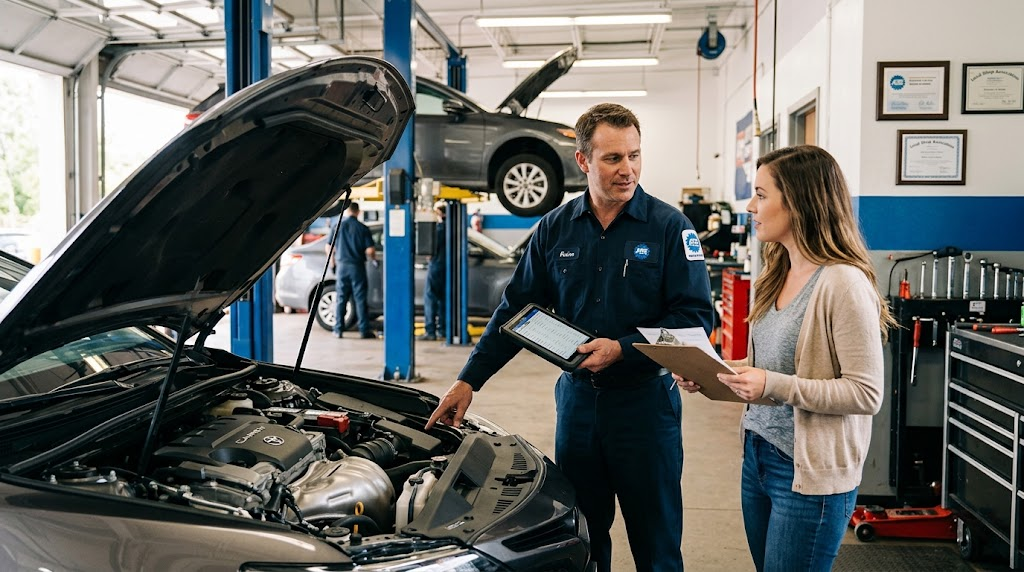
Your car breaks down. A warning light comes on. Something sounds different than it did last week. Whatever the situation, you need help, and you need it from someone you can trust. Finding a reliable auto repair shop is one of the most important decisions you can make as a vehicle owner, but it is also one that a lot of people get wrong. Not because they are careless, but because they simply do not know what to look for.
This guide walks you through exactly how to evaluate a shop before you hand over your keys, what questions to ask, and what red flags to watch out for along the way.
Start With Reputation, Not Just Convenience
It is tempting to pull into the nearest shop when something goes wrong. Convenience matters, but it should not be the only factor.
Start by asking people you trust. A friend, coworker, or family member who has had consistent, positive experiences at a shop is one of the most reliable recommendations you can get. Word of mouth still carries a lot of weight in the auto repair world because the stakes are high and people remember when they were treated well or poorly.
After that, look at online reviews. Do not just scan the star rating. Read the actual comments. Look for patterns. Do customers consistently mention honest communication? Do they say the shop explained the work clearly before starting? Do they come back for multiple services? These details tell you far more than a 4.8 rating on its own.
One or two negative reviews are not necessarily a dealbreaker. How the shop responds to those reviews says a lot about how they handle problems.
Look for Industry Certifications
Certifications exist for a reason. They signal that a shop has met a recognized standard of training, ethics, and service quality. When evaluating any repair shop, look for the following:
ASE Certification The National Institute for Automotive Service Excellence, commonly known as ASE, certifies individual technicians who have demonstrated competency through testing and hands-on experience. An ASE-certified technician has proven they know what they are doing. When a shop employs ASE-certified staff, it shows a commitment to professional standards.
AAA Approved Auto Repair AAA conducts regular inspections of auto repair facilities. Shops that earn AAA approval must meet strict criteria including technician training, equipment quality, customer satisfaction, and fair business practices. This designation is not handed out freely, and it is one of the stronger indicators that a shop takes its reputation seriously.
AASP Membership The Alliance of Automotive Service Providers represents independent repair shops that operate with professional standards at their core. Membership in AASP signals that a shop is plugged into an industry network that values quality and accountability.
These certifications should be visible in the shop or on their website. If you cannot find any credentials, ask directly. A reputable shop will have no hesitation pointing them out.
Ask the Right Questions Before You Commit
A good shop welcomes questions. If you feel like your questions are being brushed aside or you are being rushed into approving work, pay attention to that feeling.
Here are some questions worth asking before you leave your vehicle:
“Can you give me a written estimate before starting any work?” Any trustworthy shop will provide a written estimate. This protects both you and the shop. It keeps the conversation clear and gives you something to reference if questions come up later.
“Will you call me before doing any work that was not part of the original estimate?” This is important. Sometimes technicians discover additional problems once they get into the repair. A shop that respects your time and budget will contact you first and explain what was found before adding to the bill.
“What does this repair actually involve?” You do not need to understand every technical detail, but a good mechanic should be able to explain what is wrong in plain language. If the explanation sounds evasive or overly complicated without any real effort to help you understand, that is a problem.
“Do you use OEM or aftermarket parts? What is the difference in this situation?” This is not a trick question. There are legitimate reasons to use either, and the right answer depends on the specific repair. What matters is that the shop explains the difference honestly and gives you a choice when possible.
Pay Attention to the Shop Itself
You can learn a lot just by walking in. A well-organized, reasonably clean shop with up-to-date equipment reflects how the business is run overall. This does not mean every shop needs to look like an operating room. Working garages are messy by nature. But there is a difference between a shop that is busy and a shop that is chaotic.
Look for:
- A visible service desk where staff engage professionally with customers
- Technicians who appear focused and purposeful
- Equipment that looks current and well-maintained
- Certifications or affiliations posted in a visible area
- A waiting area that is reasonably clean and organized
If the front of the shop feels disorganized or no one acknowledges you when you walk in, that is often a reflection of how operations run in the back as well.
Understand the Estimate
Once you receive a written estimate, take a moment to actually read it. You are not expected to know what every line item means, but you are entitled to ask.
A clear estimate should break down:
- The specific work being performed
- The parts required and whether they are OEM or aftermarket
- The labor time and hourly rate
- Any applicable warranties on parts or labor
If an estimate is vague or only shows a single dollar amount without any breakdown, ask for more detail. A shop that is confident in their pricing will not have a problem providing it.
It is also reasonable to get a second estimate for larger repairs. A trustworthy shop will not make you feel guilty for doing that. They understand that major repairs are a financial decision and that you need to make an informed choice.
Know What a Warranty Should Look Like
Reputable repair shops stand behind their work. That means offering some form of warranty on both parts and labor.
Before approving any repair, ask about the warranty terms. Specifically, ask:
- How long does the warranty last?
- Does it cover both parts and labor?
- What is the process if something goes wrong after the repair?
If a shop cannot clearly answer these questions or hedges around the topic, be cautious. Confidence in workmanship usually shows up in the warranty.
Trust Your Gut
This one sounds simple, but it matters. If something feels off during your first interaction with a shop, pay attention to it. If you feel pressured, dismissed, or confused after a conversation with a service advisor, that experience is data.
Good mechanics and service staff are clear communicators. They explain things in terms you can understand. They make recommendations without creating unnecessary panic. They want you to feel confident about the service you are receiving because they know that a satisfied customer comes back.
If you leave a shop interaction feeling more confused than when you arrived, or if you felt rushed into approving work you did not fully understand, it is worth reconsidering before you go back.
A Few Final Thoughts
Finding a repair shop you can trust takes a little effort upfront, but it pays off every time your car needs service after that. You stop second-guessing estimates. You feel comfortable asking questions. You leave with confidence that the work was done right.
The shops worth your loyalty are the ones that treat your car like it matters and treat you like an adult who deserves a straight answer. They exist in every market. You just have to know what to look for.
Start with reputation and referrals. Check for credentials. Ask questions and notice how they are answered. Read the estimate before you sign anything. And trust your instincts when something does not sit right.
Your car is one of the most important tools in your daily life. The shop you choose to maintain it should earn that responsibility.
