
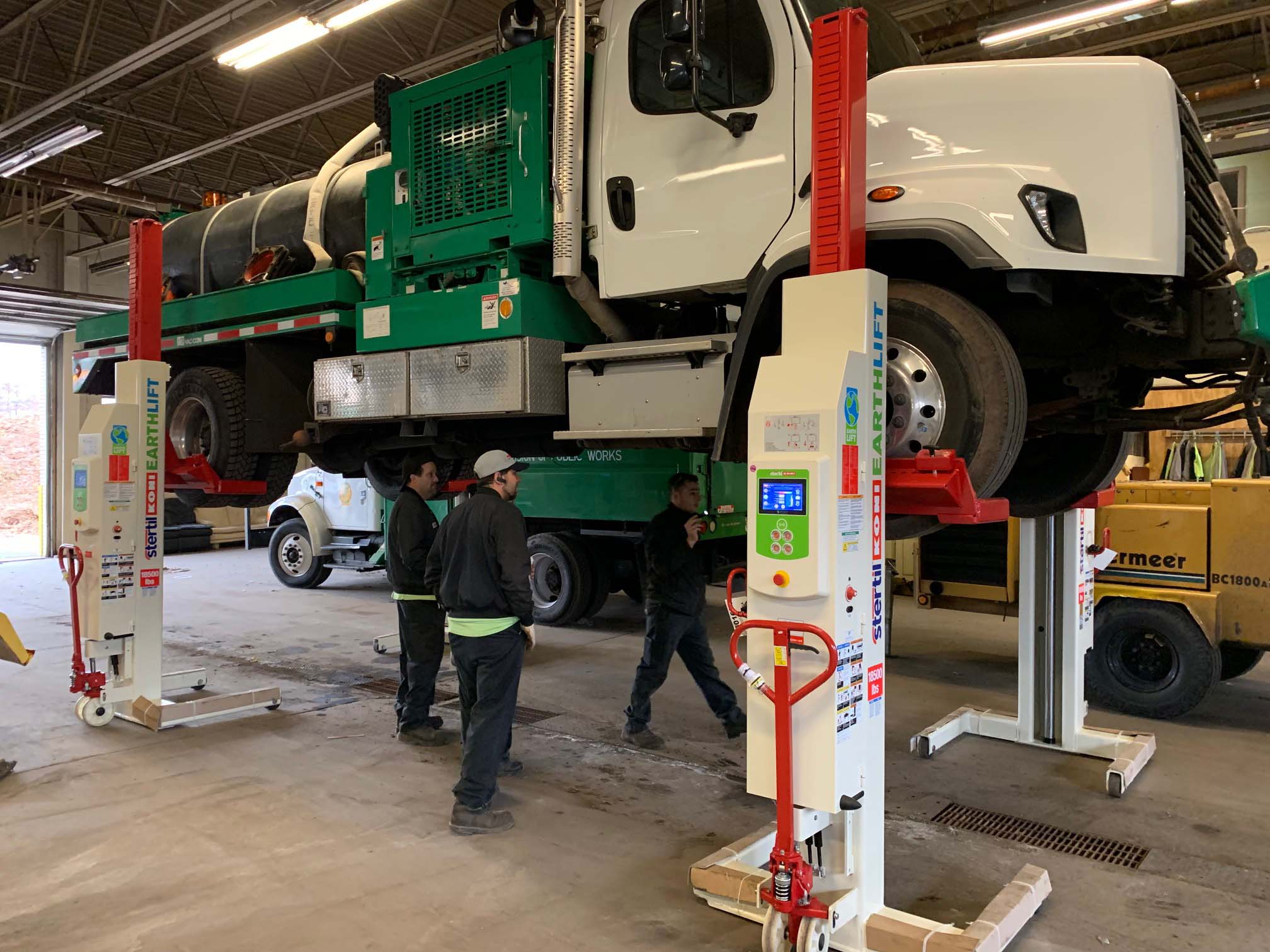
In any automotive workshop or garage, safety should be a top priority. Vehicle lifts, such as a car hoist, play a vital role in maintaining efficiency and ensuring technicians can safely access different parts of the vehicle for repairs or inspections. However, improper use or maintenance of vehicle lifts can lead to serious accidents, injuries, or equipment damage. By following best practices and implementing proper safety protocols, you can maximize the safety of your workspace while enhancing productivity.
Select the Right Car Hoist for Your Needs
Choosing the right car hoist is the first step in ensuring a safe and effective workspace. Vehicle lifts come in various types, each suited for different tasks, vehicle sizes, and load capacities. Selecting the appropriate lift for your operations will minimize risks and improve overall safety.
Types of Car Hoists:
- Two-post lifts: Common in general repair shops, they are ideal for vehicles with moderate weights and provide excellent access to the underside of the vehicle.
- Four-post lifts: These offer enhanced stability and are commonly used for larger vehicles like trucks or SUVs, as well as alignment work.
- Scissor lifts: Compact and space-saving, these are often used for tire service and undercarriage inspections.
- Portable lifts: Great for small garages or mobile services, portable lifts provide flexibility for various jobs.
Make sure the hoist’s load capacity matches the types of vehicles typically serviced in your workspace. Overloading a lift can result in equipment failure and serious accidents.
Conduct Regular Maintenance and Inspections
Routine maintenance is essential to keeping your car hoist in proper working condition and preventing unexpected failures. Regular inspections should focus on checking for wear and tear, ensuring hydraulic components are functioning correctly, and identifying any structural damage.
Key Maintenance Practices:
- Lubricate moving parts: Regular lubrication reduces friction and wear on critical components, ensuring smooth operation.
- Check hydraulic systems: Inspect for leaks, pressure issues, or damaged hoses that could compromise the lift’s performance.
- Inspect safety locks: Ensure that all safety locks are operational and properly engage during use to prevent accidental lowering.
- Test load capacity: Verify that the hoist can safely lift and support its rated load without issue.
Following the manufacturer’s maintenance schedule and addressing minor issues promptly can significantly reduce the risk of equipment-related accidents.
Provide Proper Training for Operators
Even the best car hoist won’t guarantee safety if the operators lack proper training. Employees must understand how to correctly use vehicle lifts, follow safety guidelines, and recognize potential hazards.
Training Essentials:
- Basic operation: Teach operators how to position vehicles correctly, use control panels, and activate safety locks.
- Load distribution: Ensure operators know how to balance the vehicle evenly on the hoist to avoid tipping or instability.
- Safety protocols: Train staff to follow procedures such as double-checking the vehicle’s position before lifting and never exceeding the hoist’s load capacity.
- Emergency procedures: Ensure operators know how to respond in case of a lift malfunction or sudden failure.
Providing refresher courses and periodic evaluations will help reinforce best practices and ensure that safety remains a priority.
Maintain a Safe Workspace Environment
The area surrounding the vehicle lift is just as important as the lift itself when it comes to safety. A well-organized, clutter-free workspace minimizes the risk of trips, falls, or collisions.
Tips for a Safer Workspace:
- Keep walkways clear: Ensure that tools, cables, and other equipment do not obstruct pathways near the lift.
- Use proper lighting: Adequate lighting helps technicians see clearly and identify potential hazards.
- Mark hazard zones: Clearly mark the area around the lift to prevent unauthorized personnel from entering during operation.
- Install warning signs: Place signs near the hoist indicating load capacity and safety precautions.
Creating an environment that promotes awareness and caution can help reduce the likelihood of accidents.
Implement Safety Checks Before Each Use
To ensure consistent safety, operators should perform a pre-use safety check before operating the vehicle lift. This step can help detect any immediate issues and prevent mishaps.
Pre-Use Safety Checklist:
- Inspect the lift for visible signs of damage or wear.
- Confirm that the vehicle is properly aligned and balanced on the lift.
- Verify that all safety locks are engaged and functioning.
- Check that the surrounding area is clear of any obstructions or hazards.
Encouraging operators to follow this checklist before each use can prevent common errors and maintain a safe working environment.
Maximizing workspace safety with vehicle lifts requires a combination of proper equipment selection, regular maintenance, operator training, and consistent safety protocols. By taking a proactive approach, businesses can minimize risks, protect employees, and improve the efficiency of their operations.


